I Like My Cedars BIG
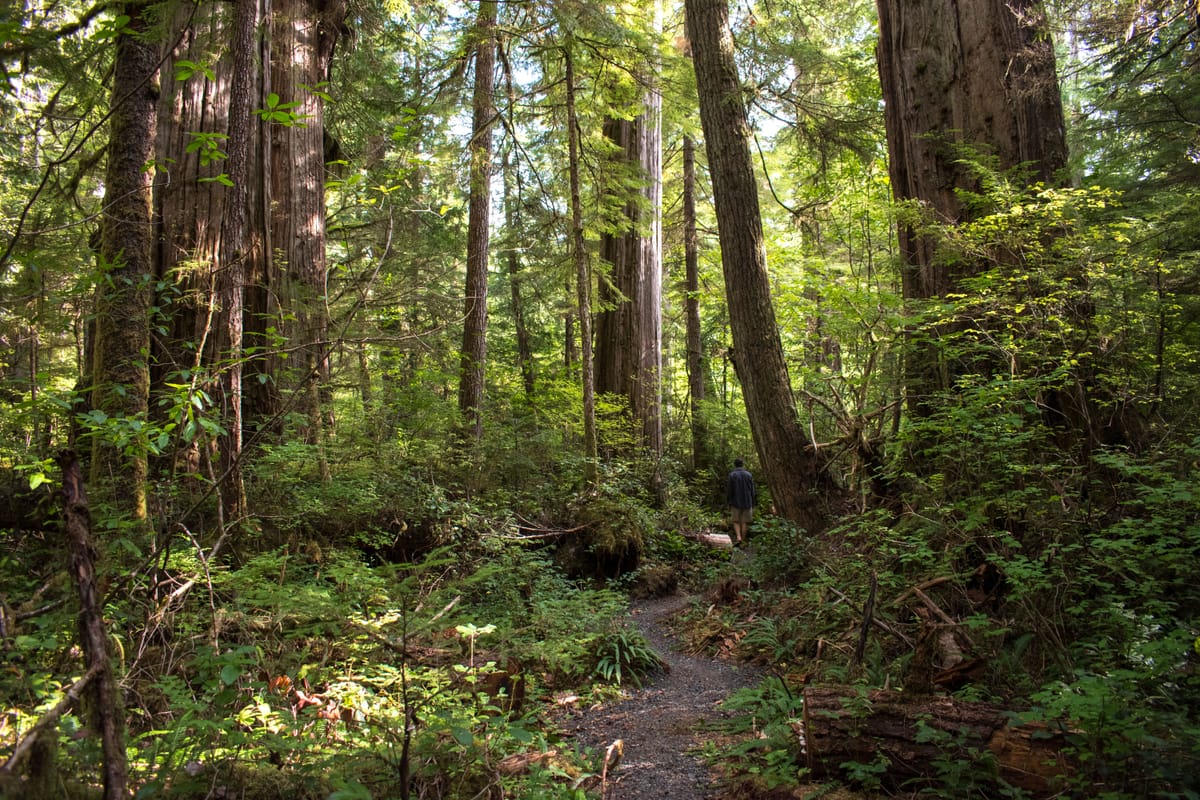
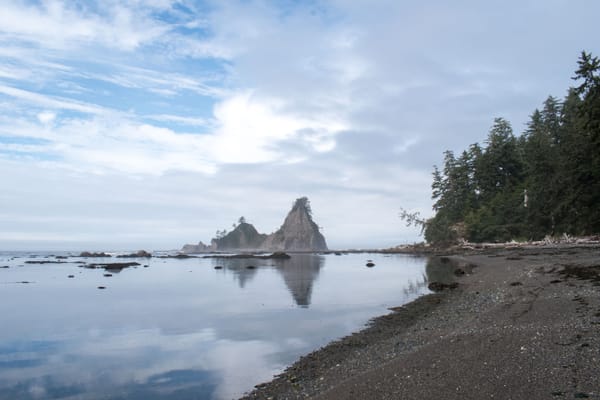
After that night out on the coast, we weren't quite ready to leave the serenity of the Olympic Peninsula. As it so happens, my aunt has been entrusted with the caretaking/usage of a nearby cabin while her friends are away. So by extension, the entire Freeman family has been entrusted with this burdensome task.
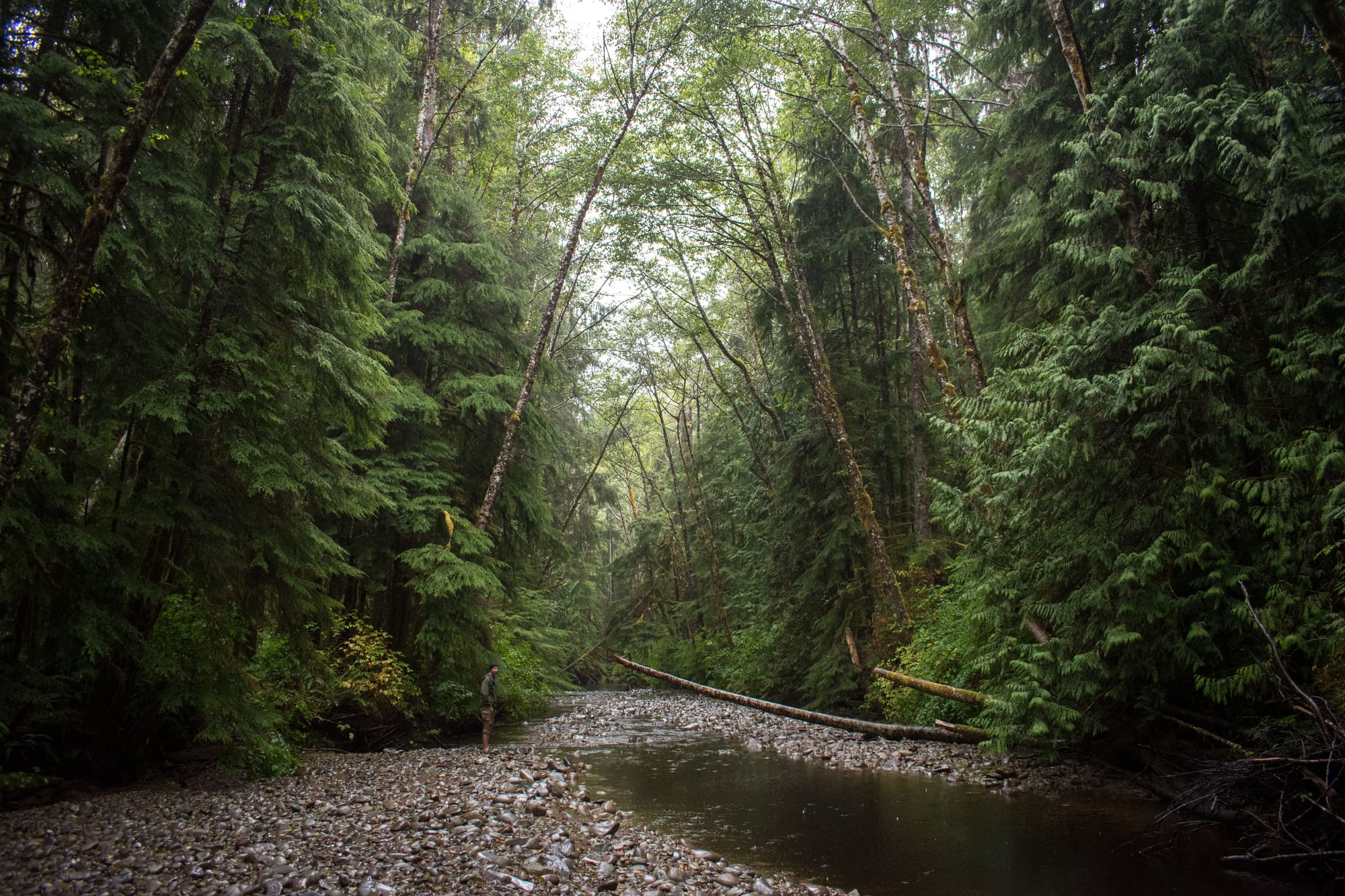
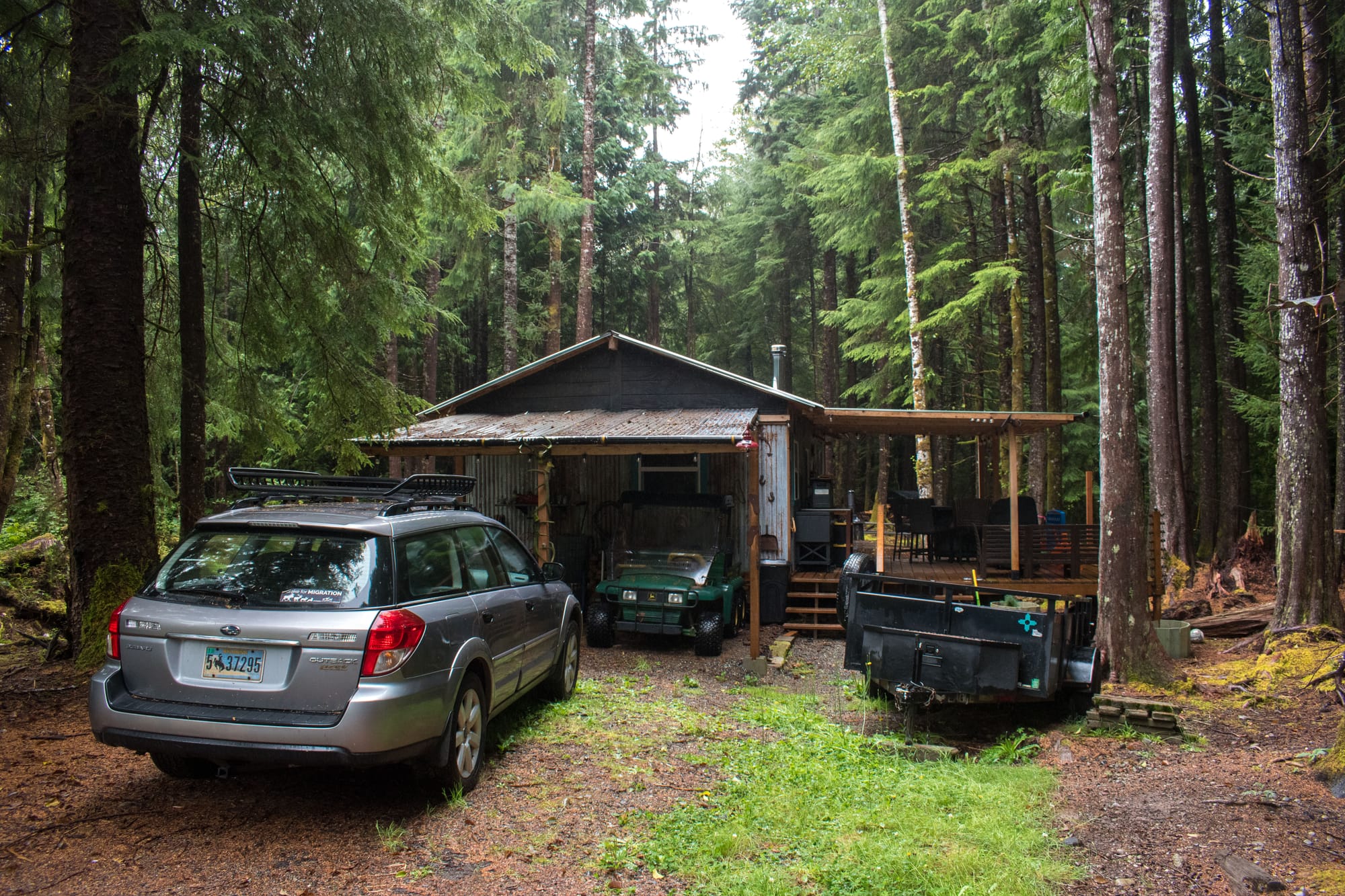
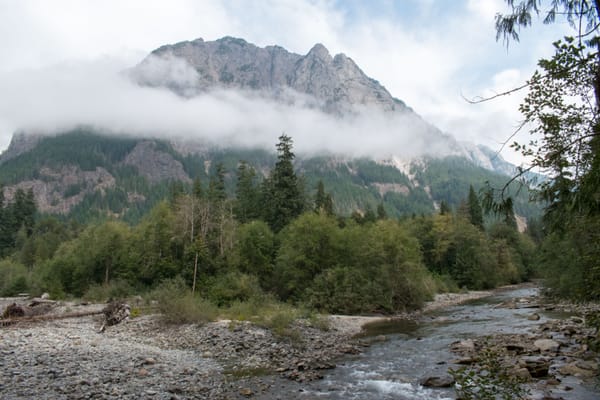
Cabin and the adjacent Cedar Creek.
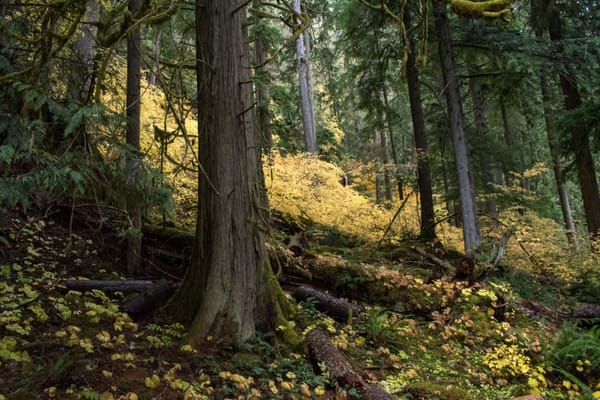
The woods around the cabin, like much of the region, consists of dense second-growth forest. Primarily made up of young hemlocks and some cedars. Pre-logging, the main disturbance near the coast would have been wind instead of fire, and the resiliency of the cedars allowed them to live thousands of years, getting big, really big (and sometimes even bigger). Now, outside of Olympic National Park, there are only small pockets of those giants.
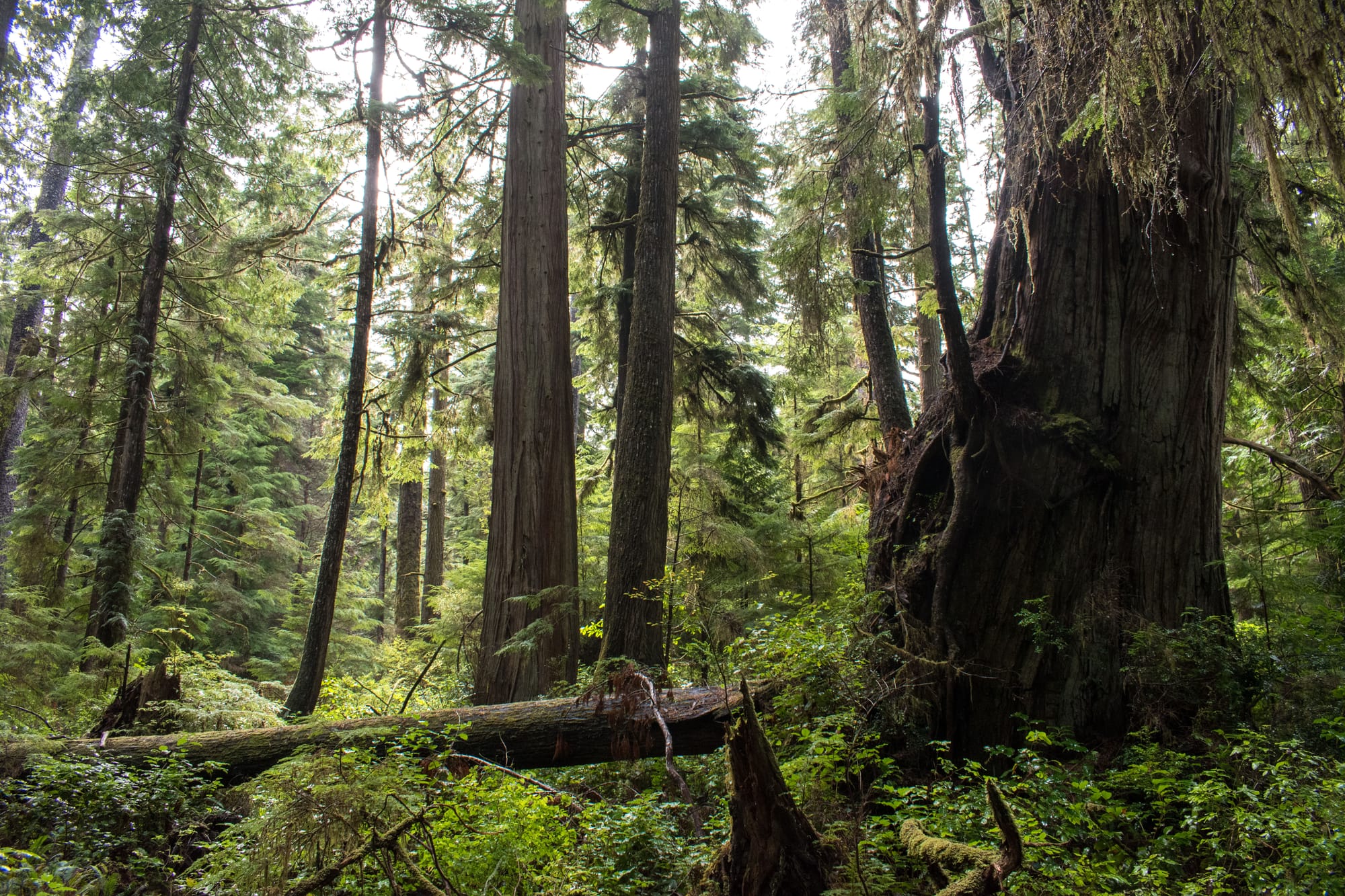
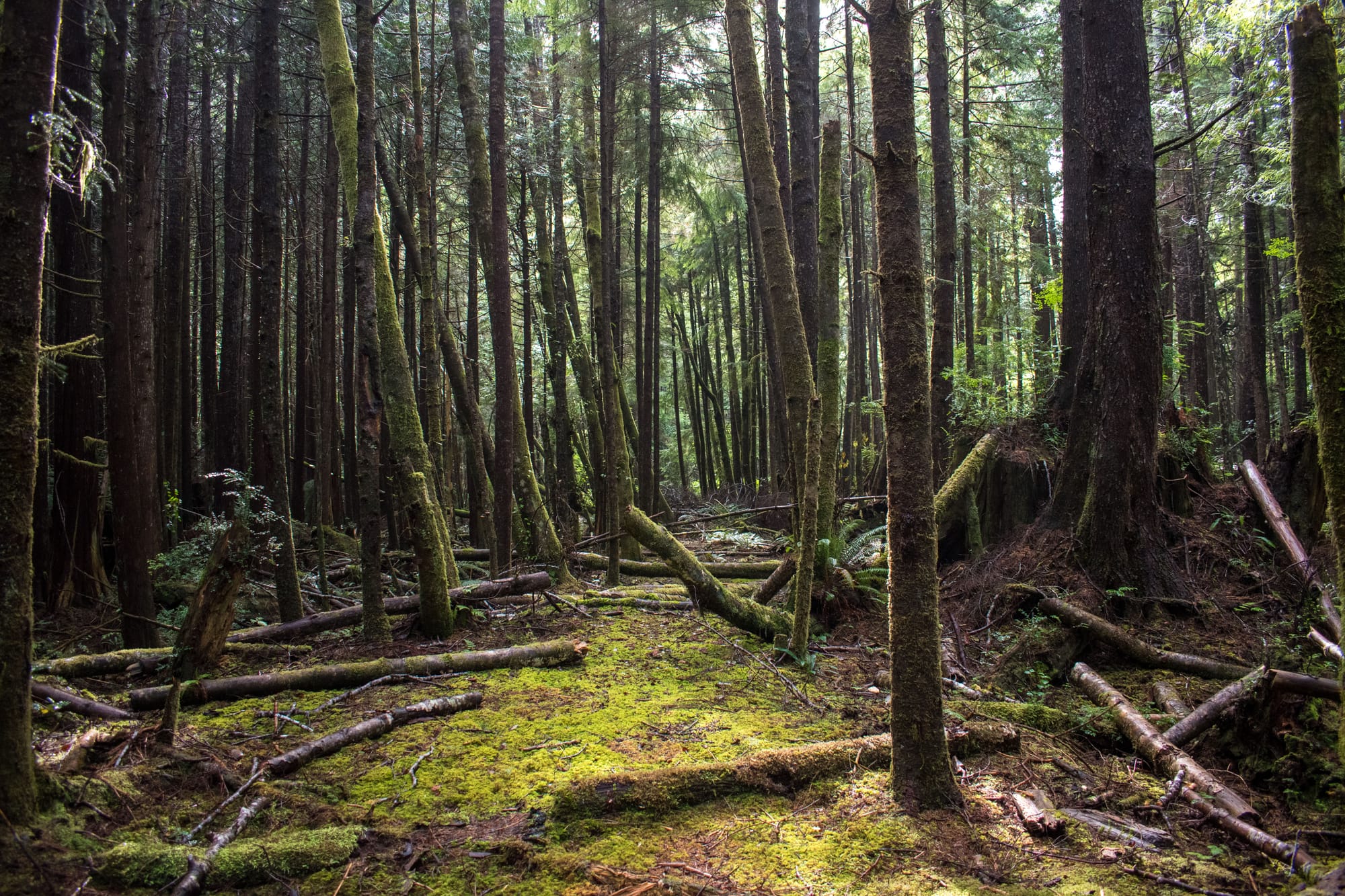
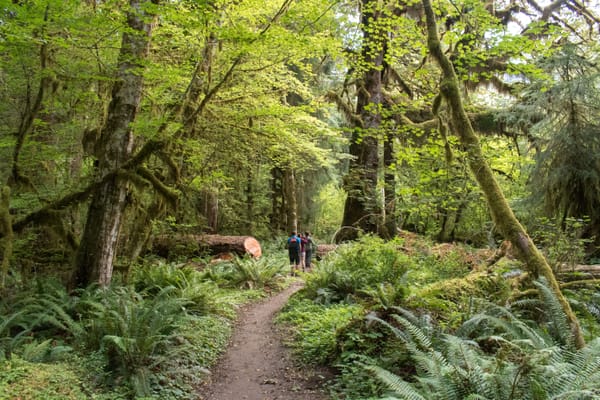
An ancient forest, and what it would look like even decades after being clearcut. In reality these are across the road from each other inside the national park. Part of the oceanside strip that was added in 1953, so I assume the logged portion has had at least 70 years of regeneration. It will take many more centuries before there is any resemblance of the original forest.
We had the chance to explore one of these remaining groves farther inland as well on state land. Not sure how this one managed to survive, but I'm glad it did! Without the buffer of other large trees, the grove may not be as happy as it once was (the storms out there can be ferocious), but its hangin in there.
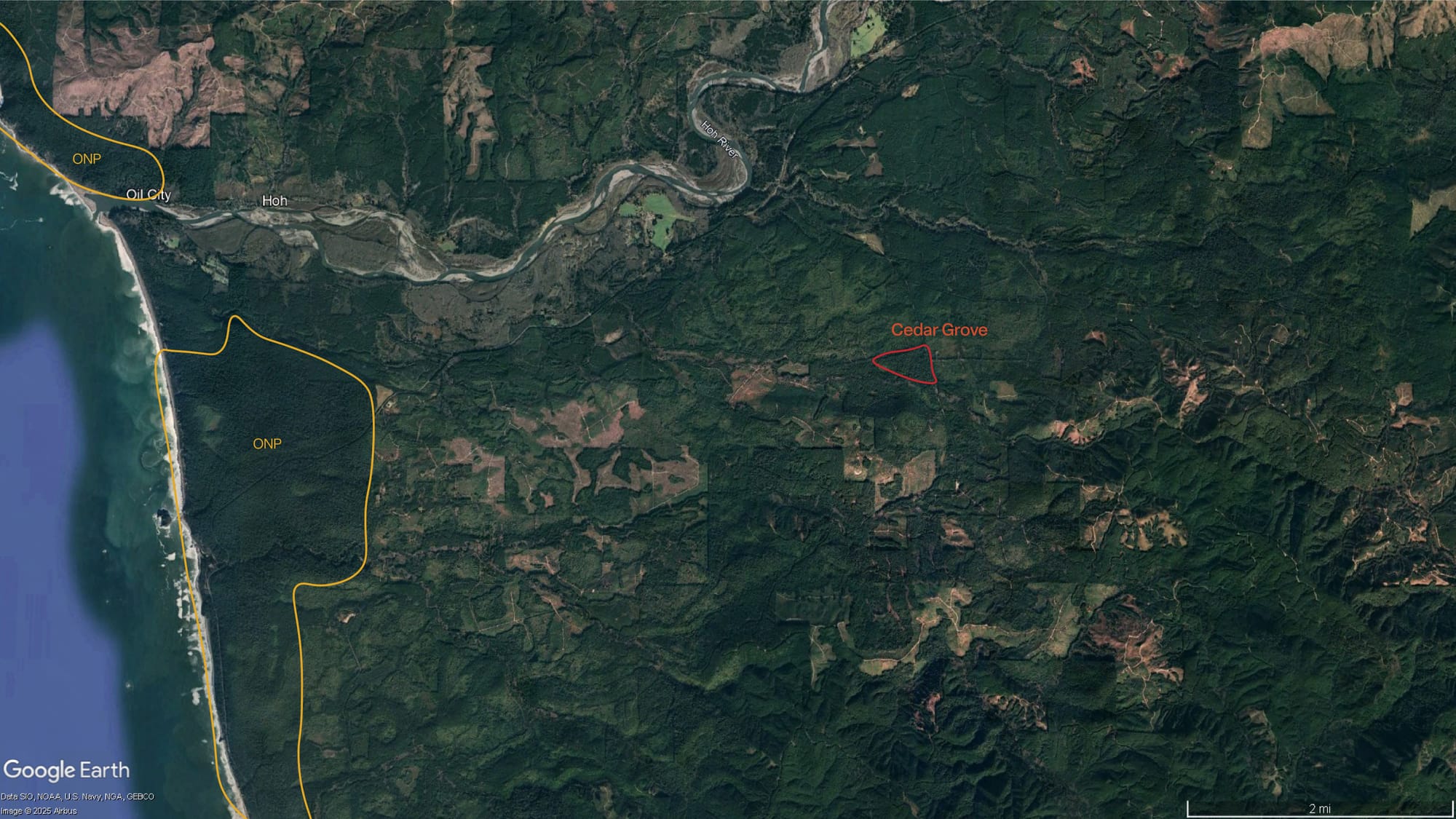
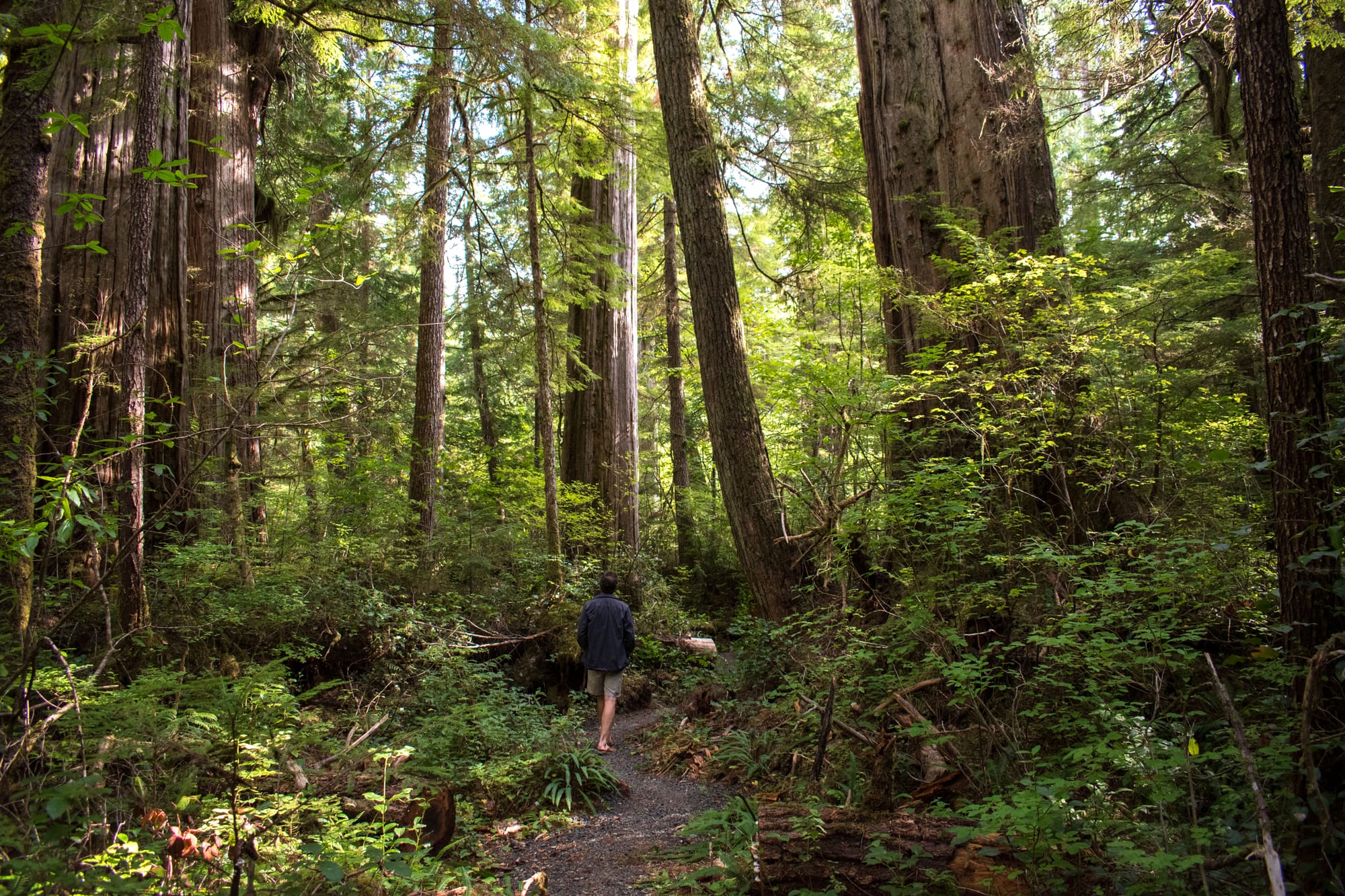
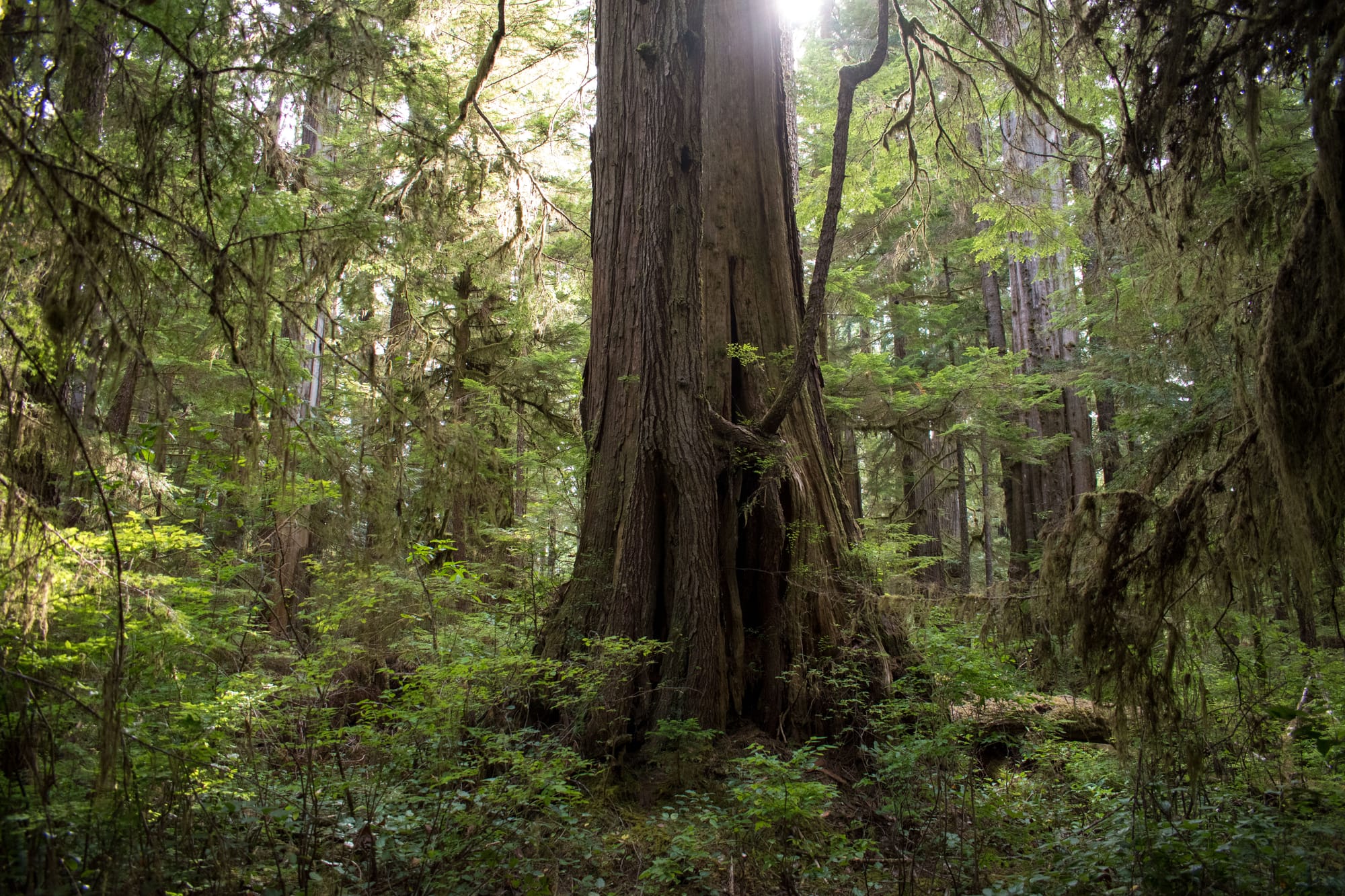
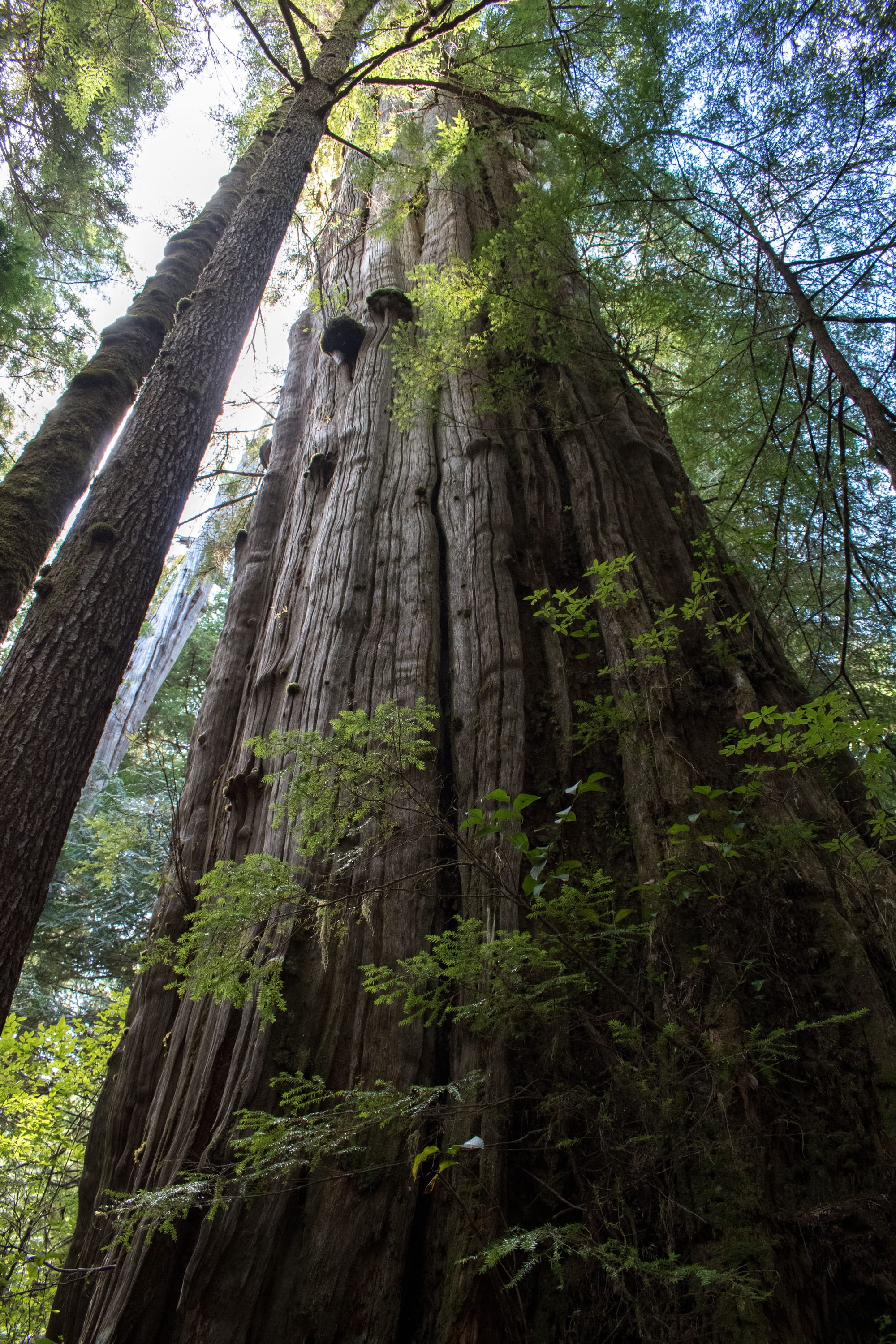
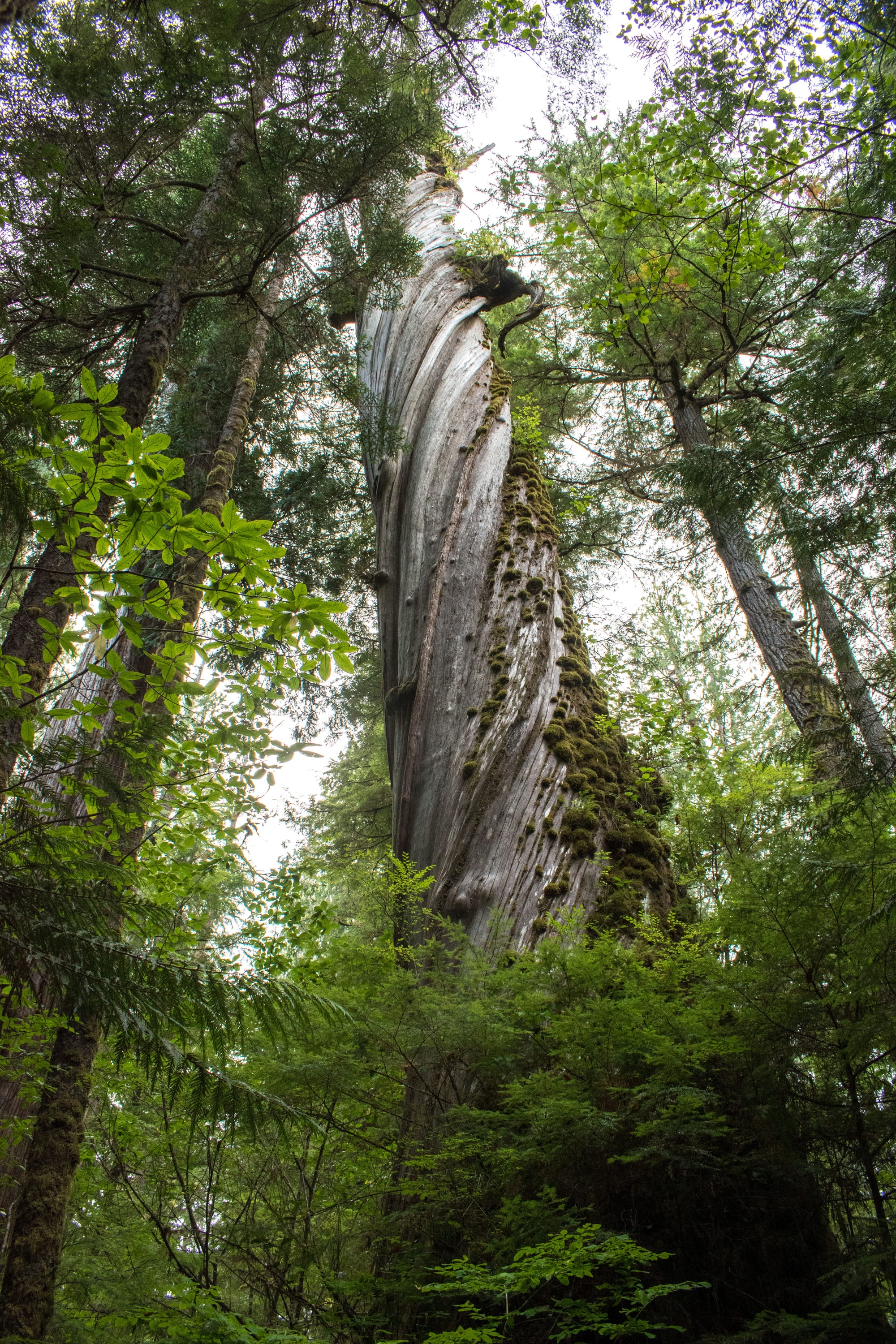
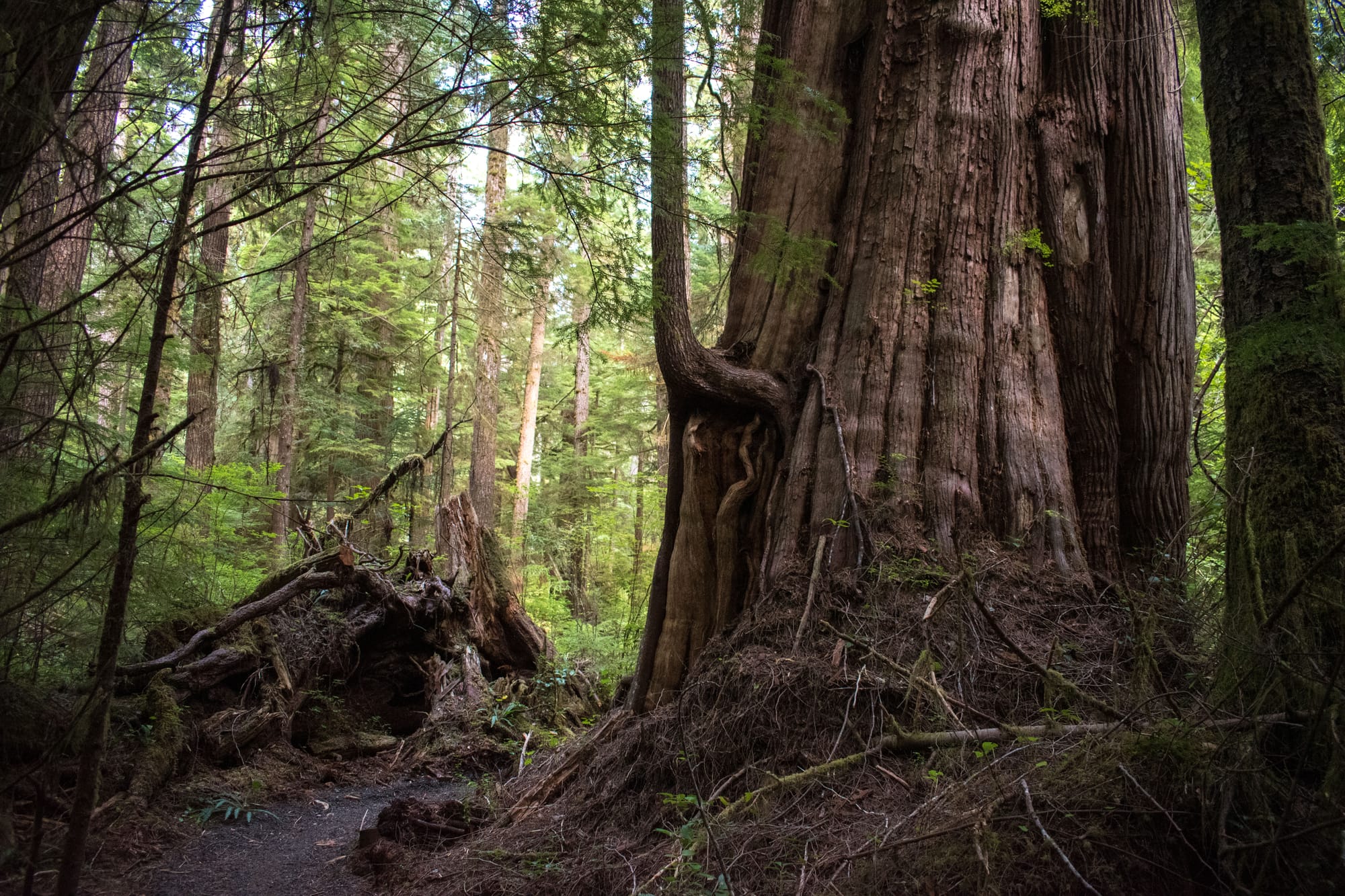
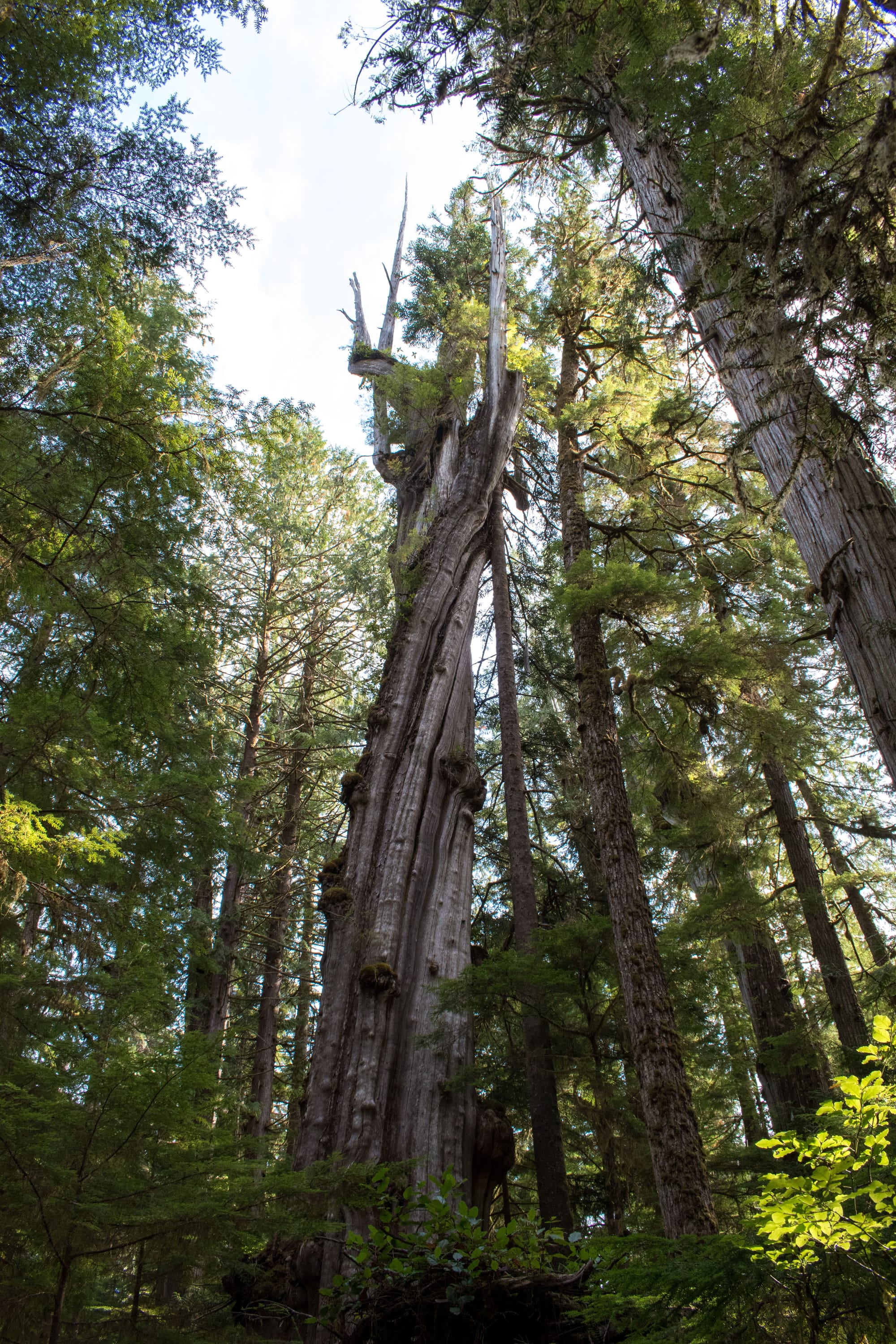
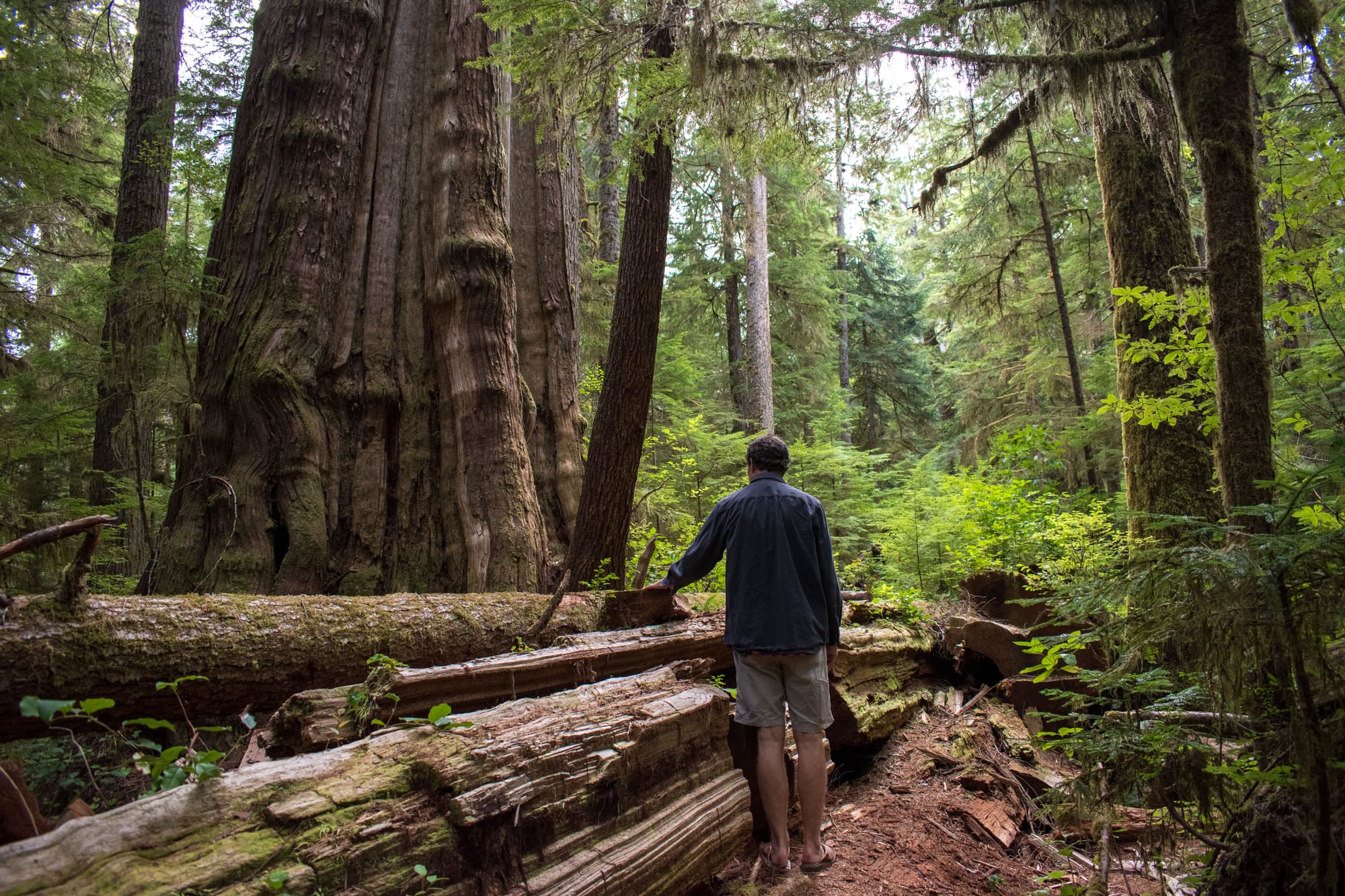
Some giants remain!
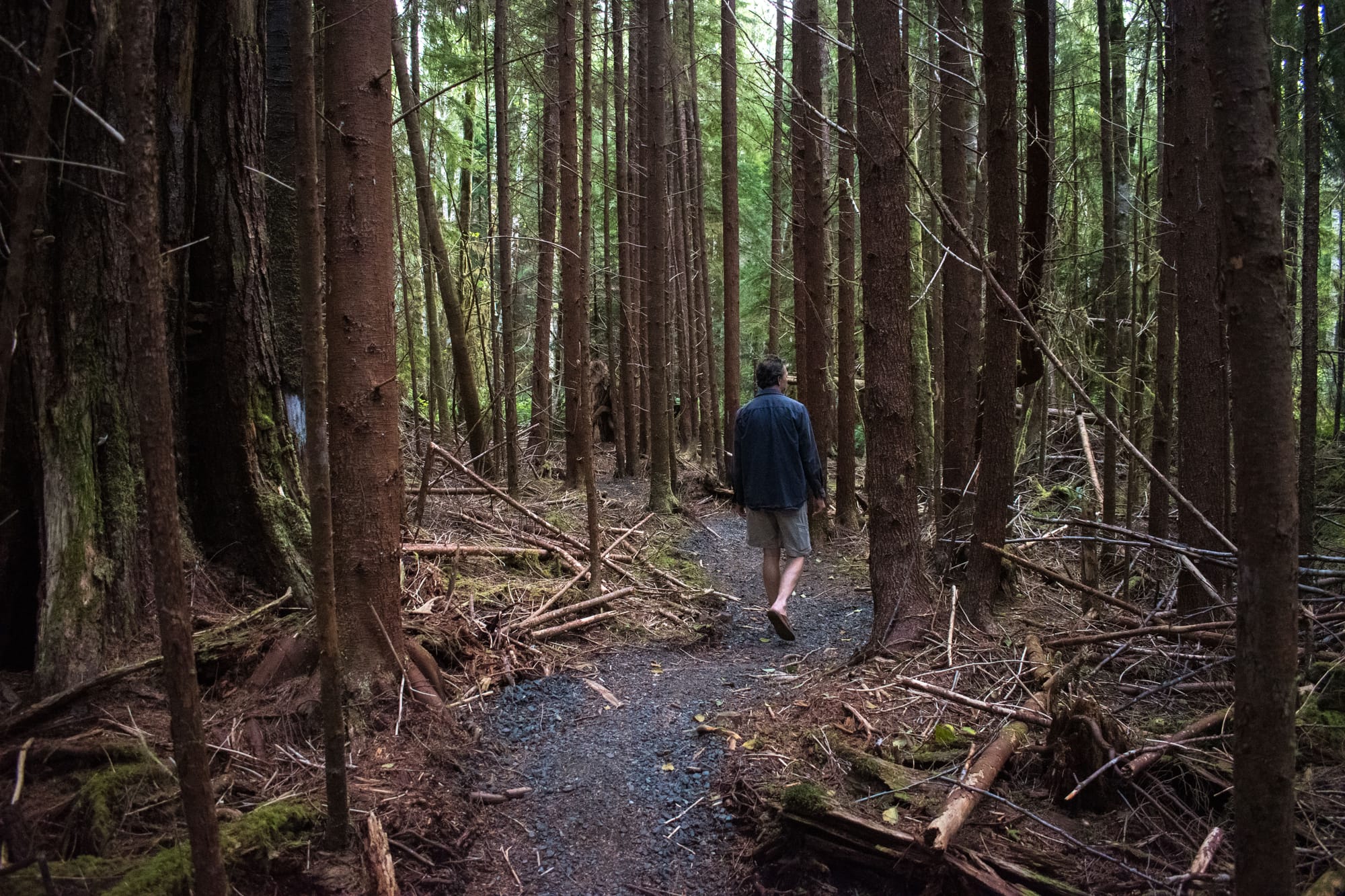
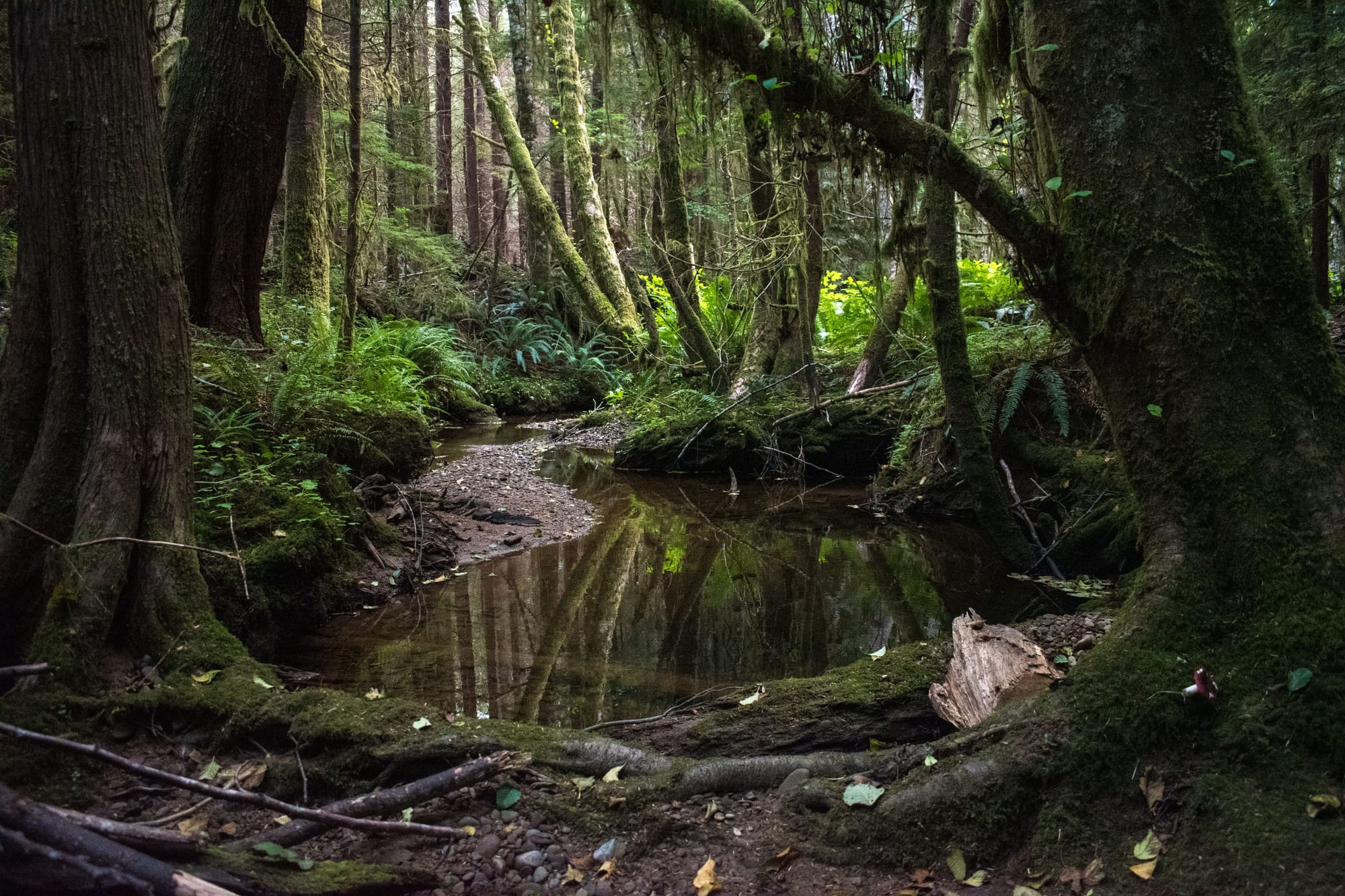
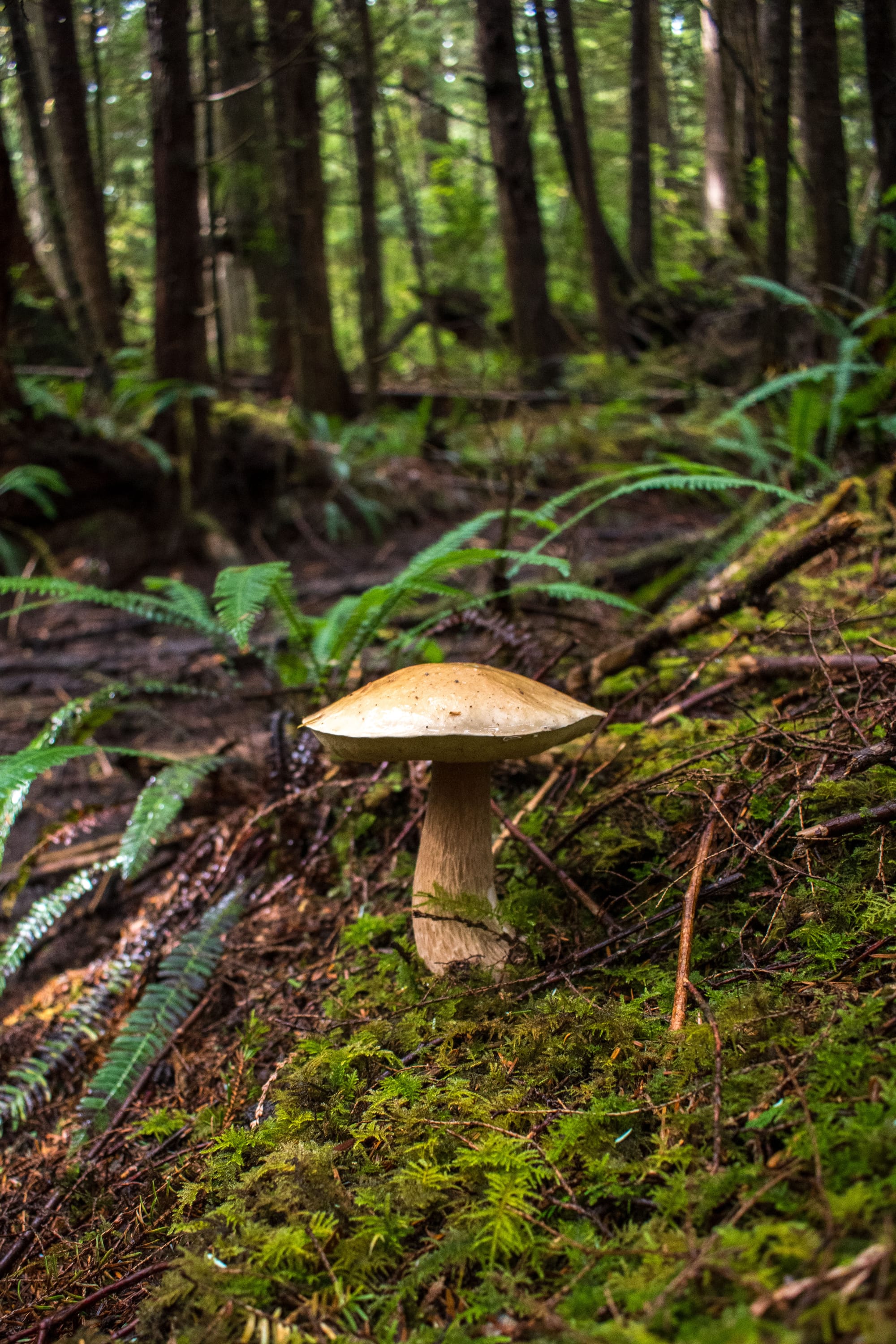
Although its not all bleak in there.
Old growth logging is no longer "cool" in WA these days, but I see how they're eyeing the Tongass National Forest up in Alaska, and it makes me a little uneasy. Fingers crossed it doesn't get the same treatment.