Finding the Arcadia Cedar
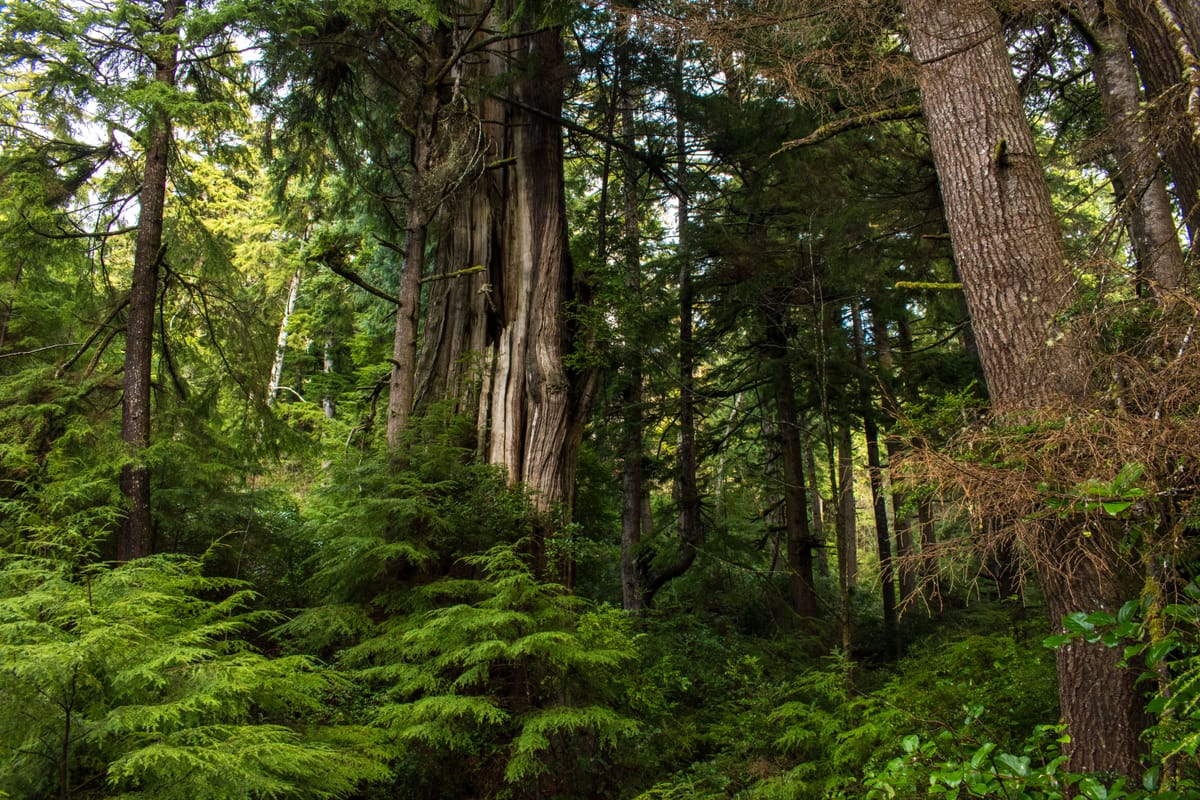
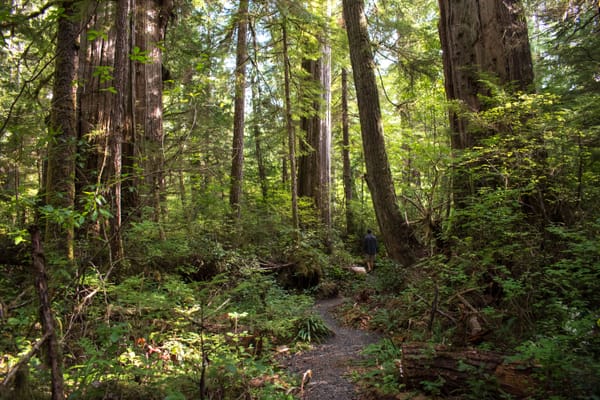
Tucked away in the woods on the Oregon coast is the largest recorded tree in the state, the western redcedar nicknamed the Arcadia Cedar. It lives in a small parcel of state forest land with a handful of other ancient redcedars. These few are some of the last reminders of the massive trees that once dominated this landscape before the industrial logging industry arrived.
After wading through the salal for some time, I located the record holder. She is a beauty to behold, making up for her relative shortness at 152 ft (coastal douglas-fir and sitka spruce can tower around 300 ft or more) with immense girth at her base. 17 ft in diameter is the recorded measurement! Yeesh! I struggle to capture the magnitude on camera without someone alongside for scale, but I try...
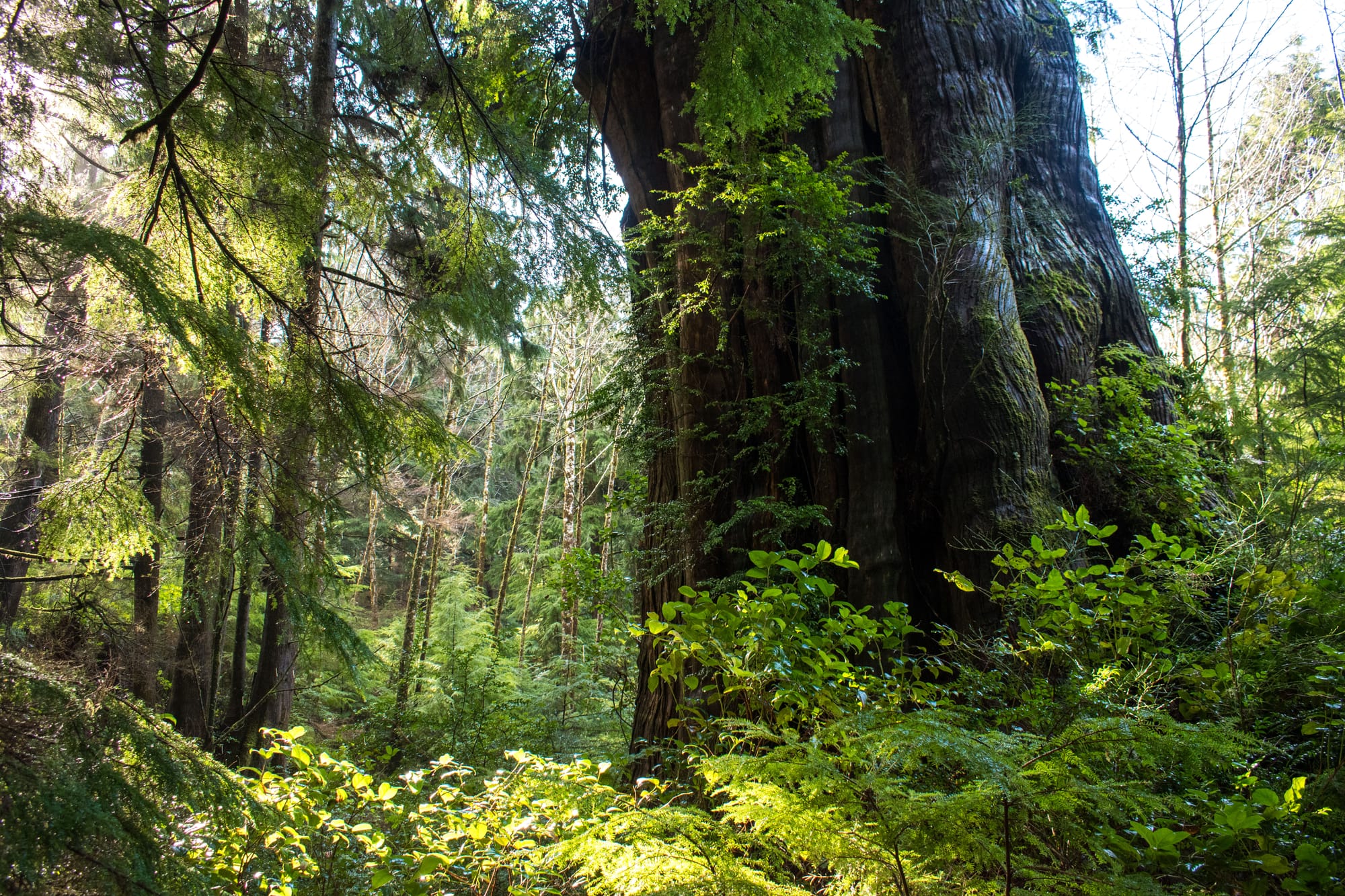
To make up for the difficulty in capturing her entirety, I went heavy on the close ups. Redcedars have so much character! Over 1,000 years of bark twisting, burls burling, and becoming a host for any other flora that can take hold along the way. Huckleberry sticking out left and right the whole way up.
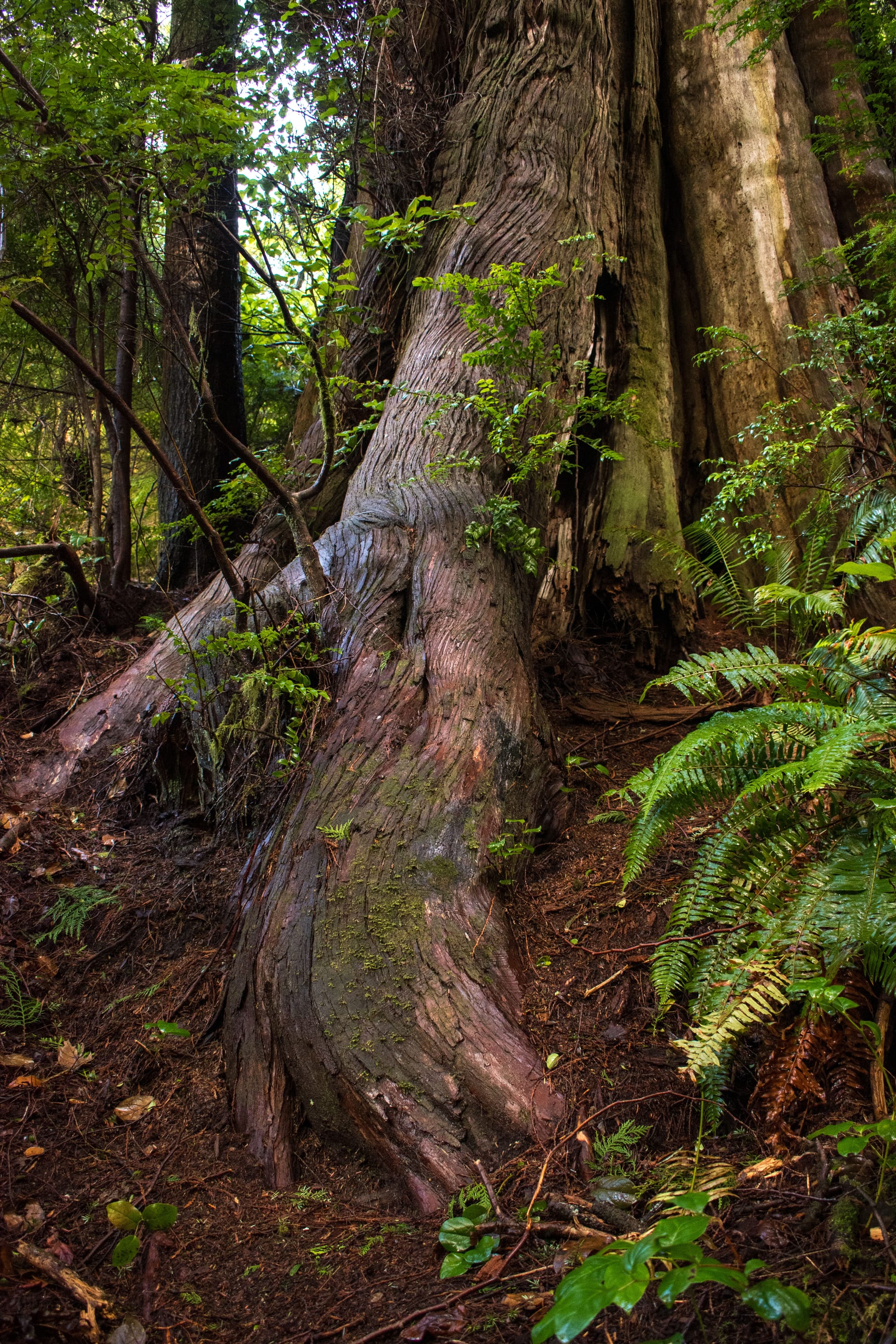
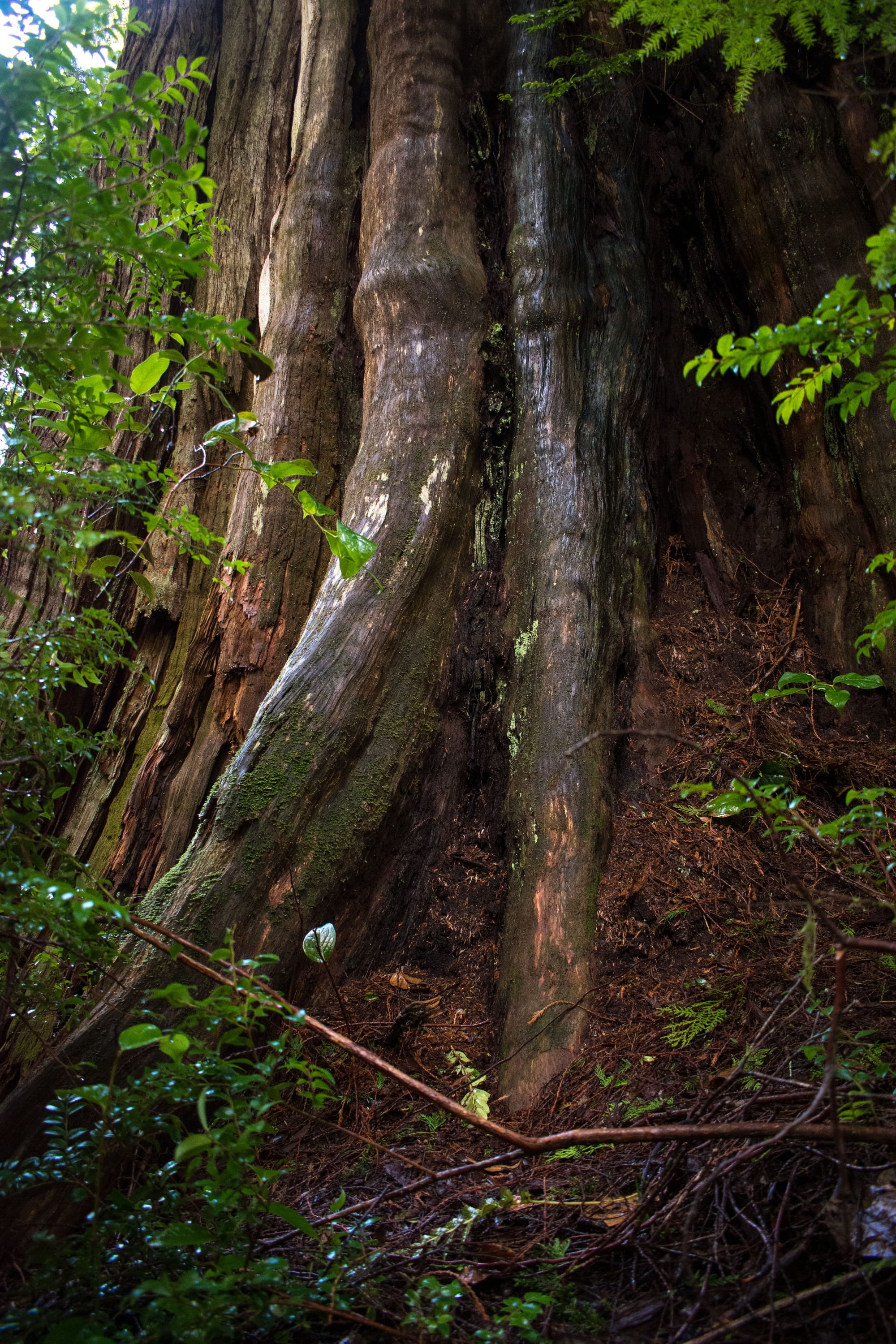
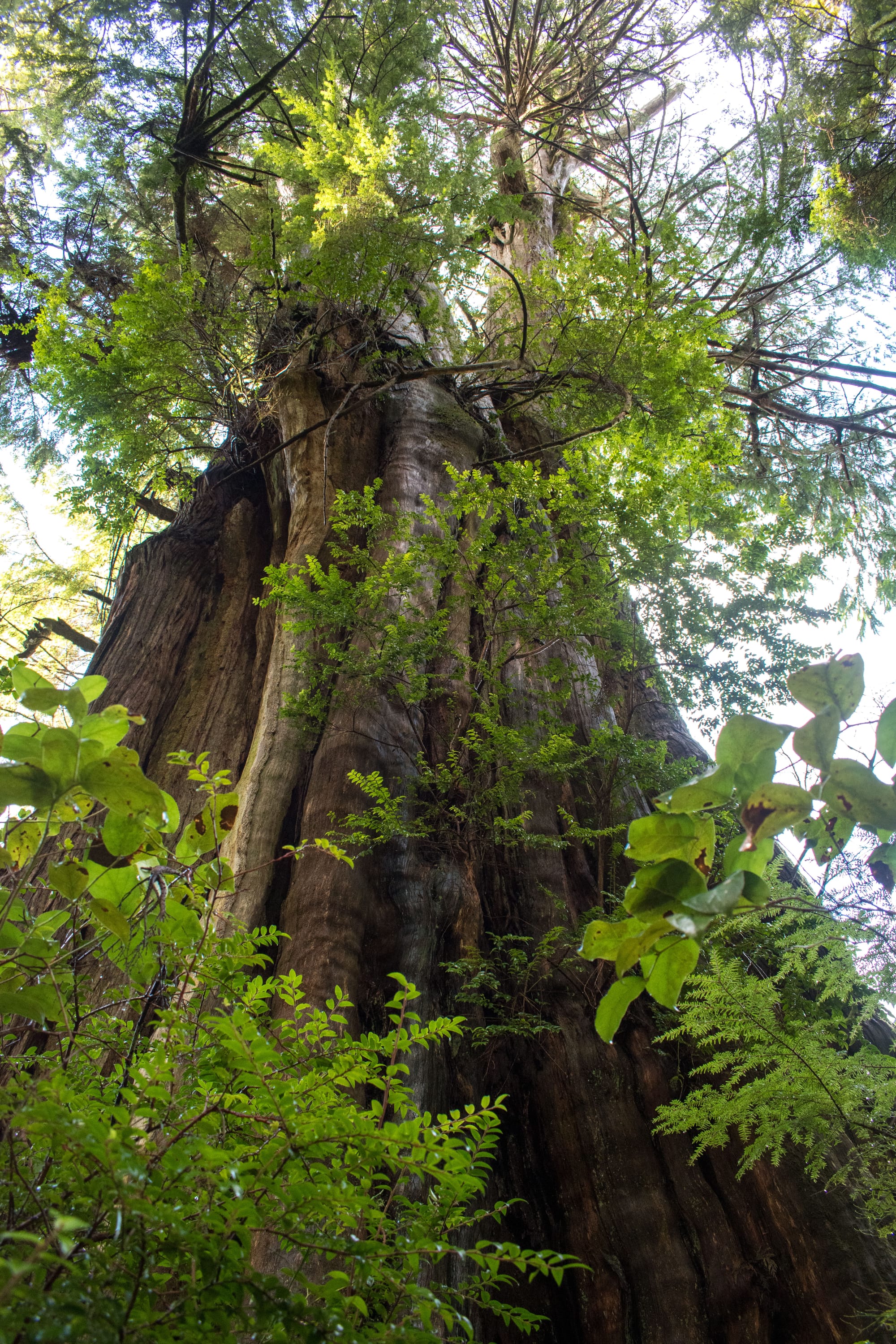
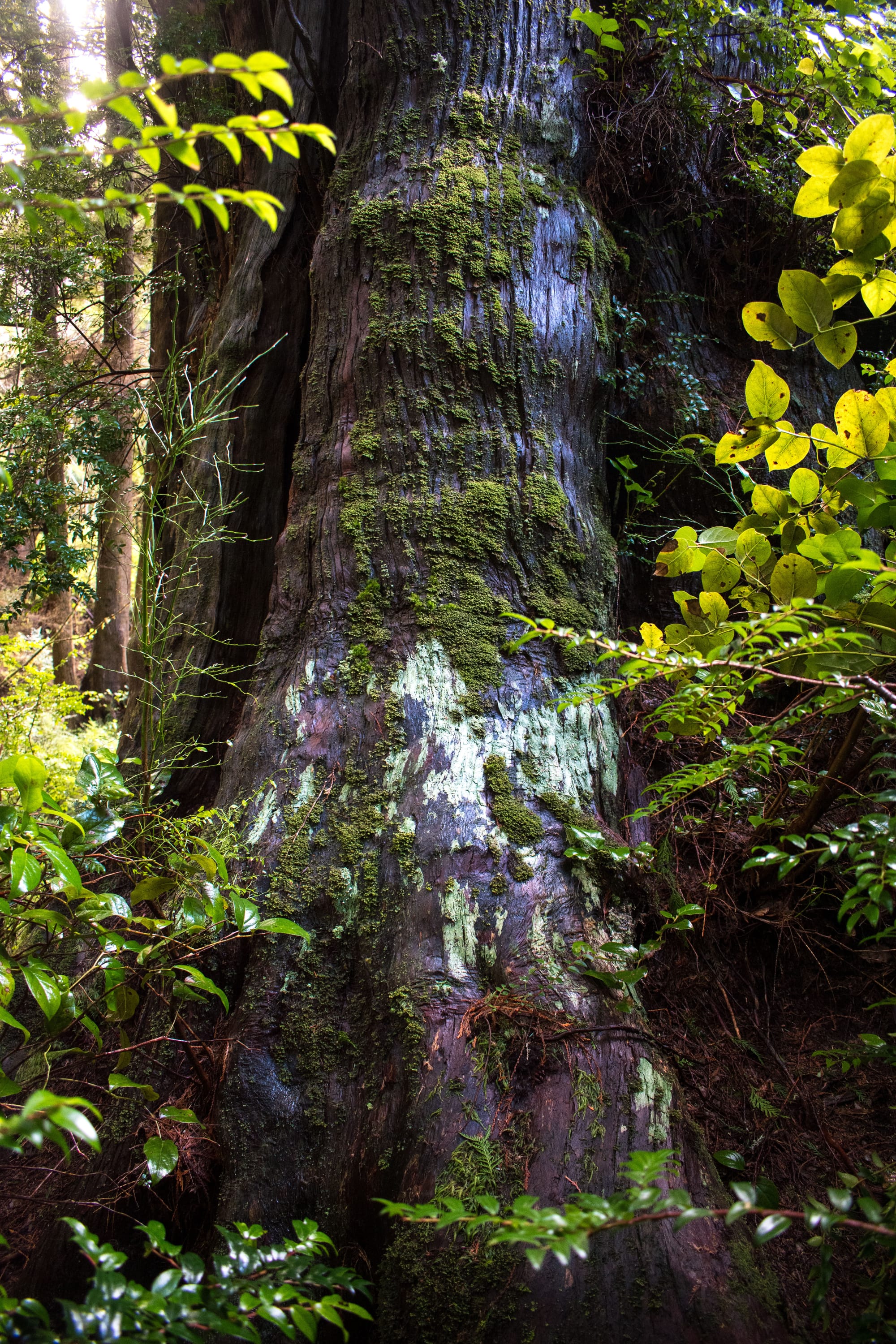
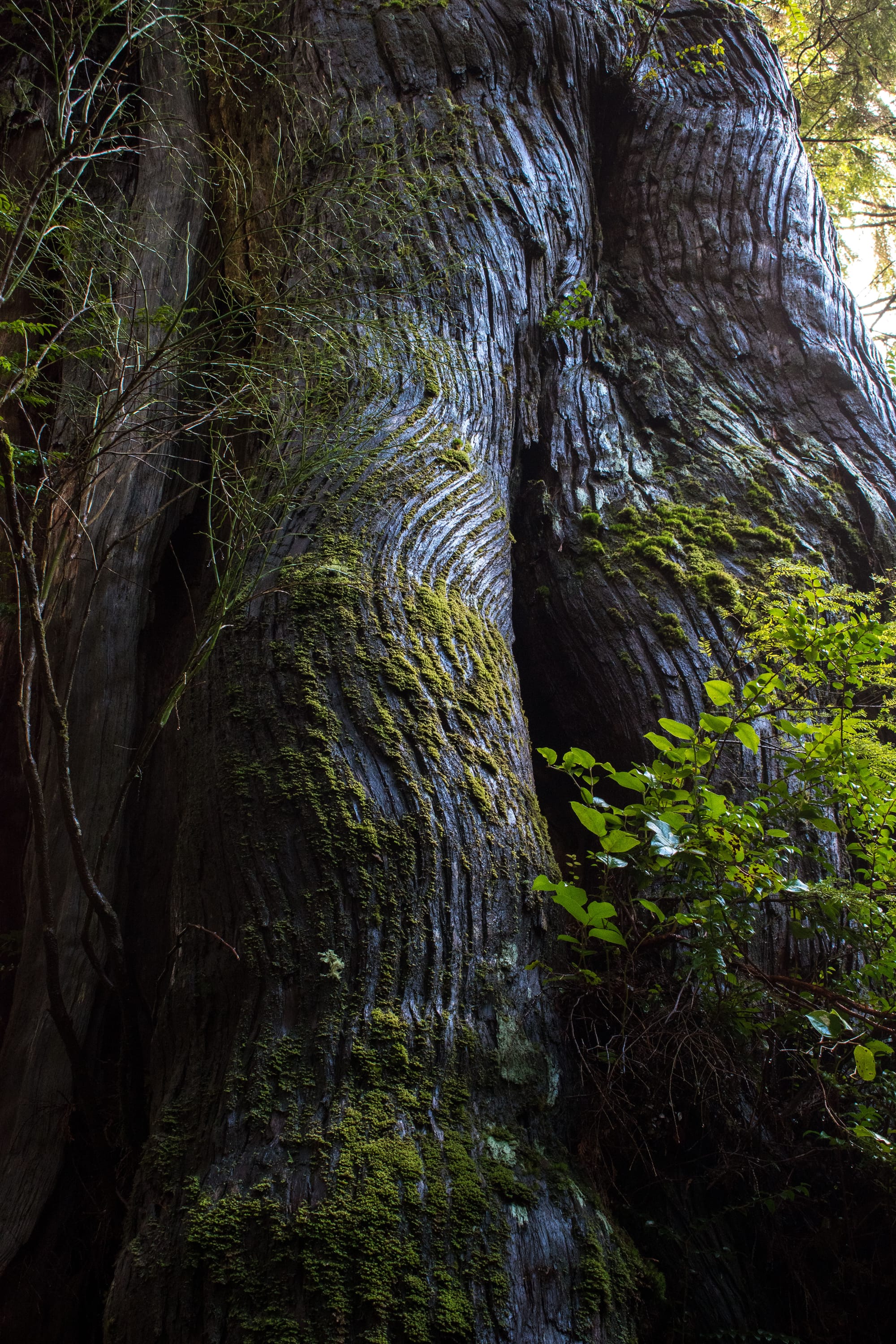
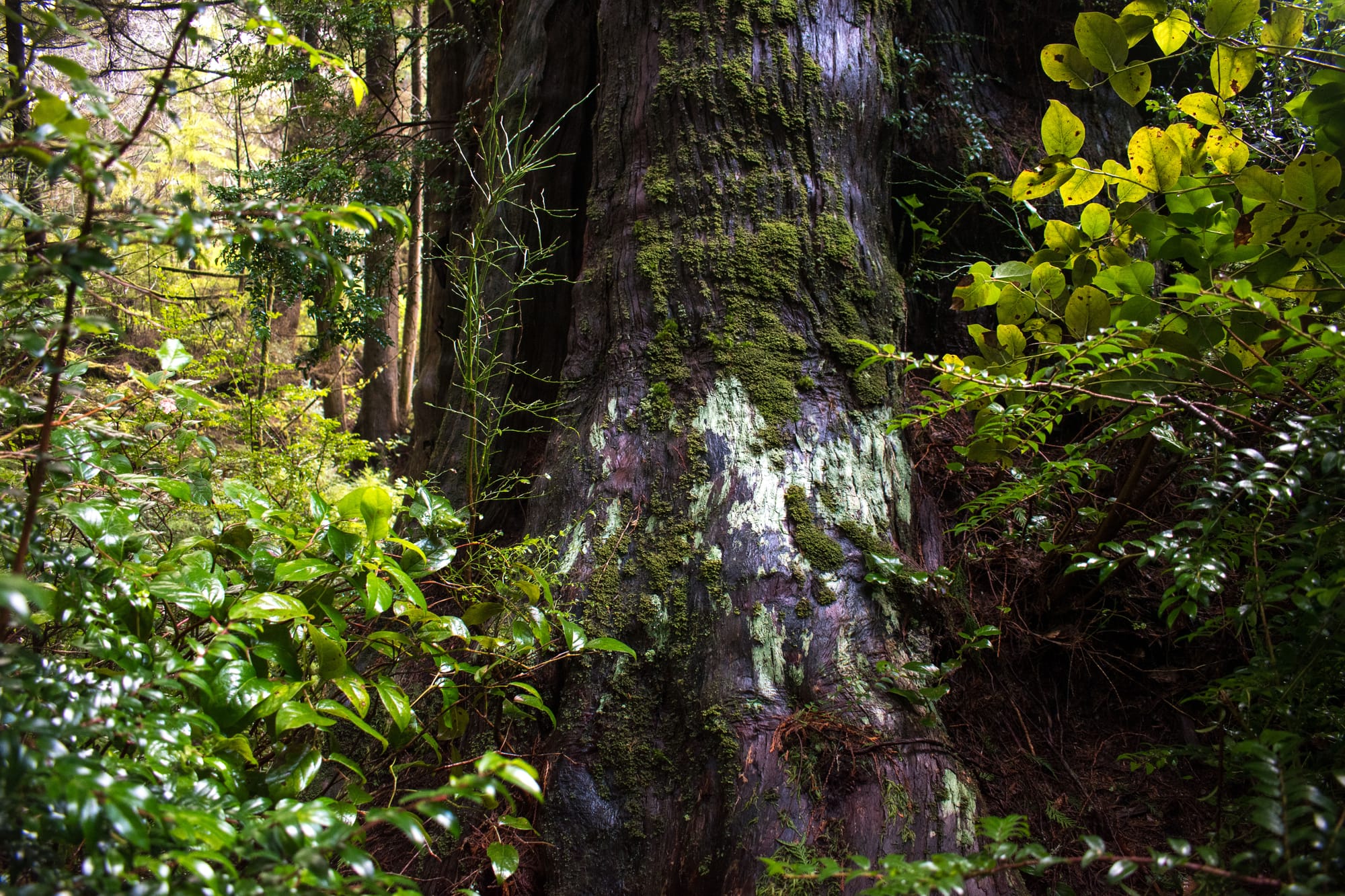
Elsewhere in the grove, I took a liking to this redcedar which is undoubtedly an Ent slowly walking it's way towards who knows where. And also this hemlock flexing it's one hefty bicep, perhaps trying to show off for Arcadia.
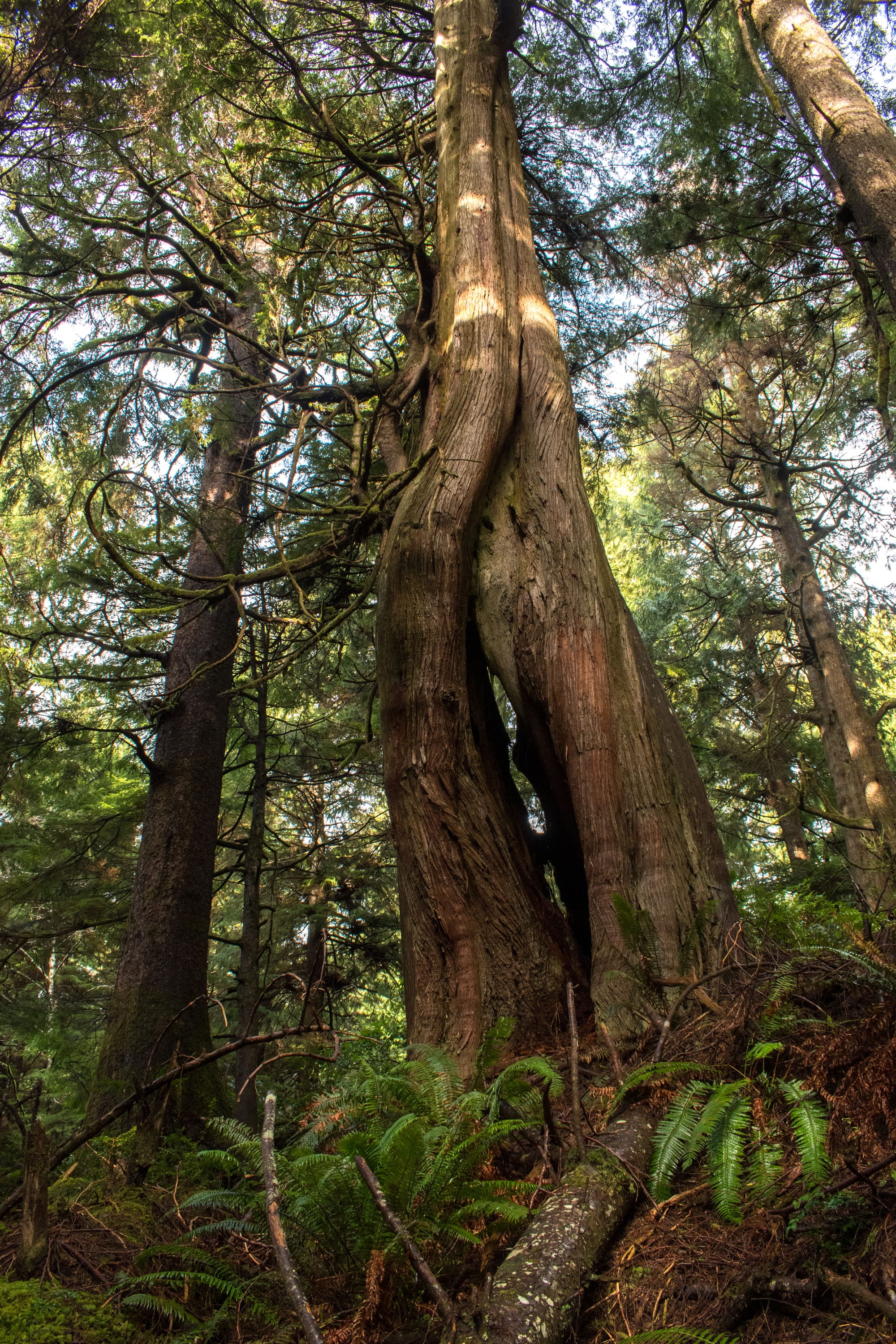
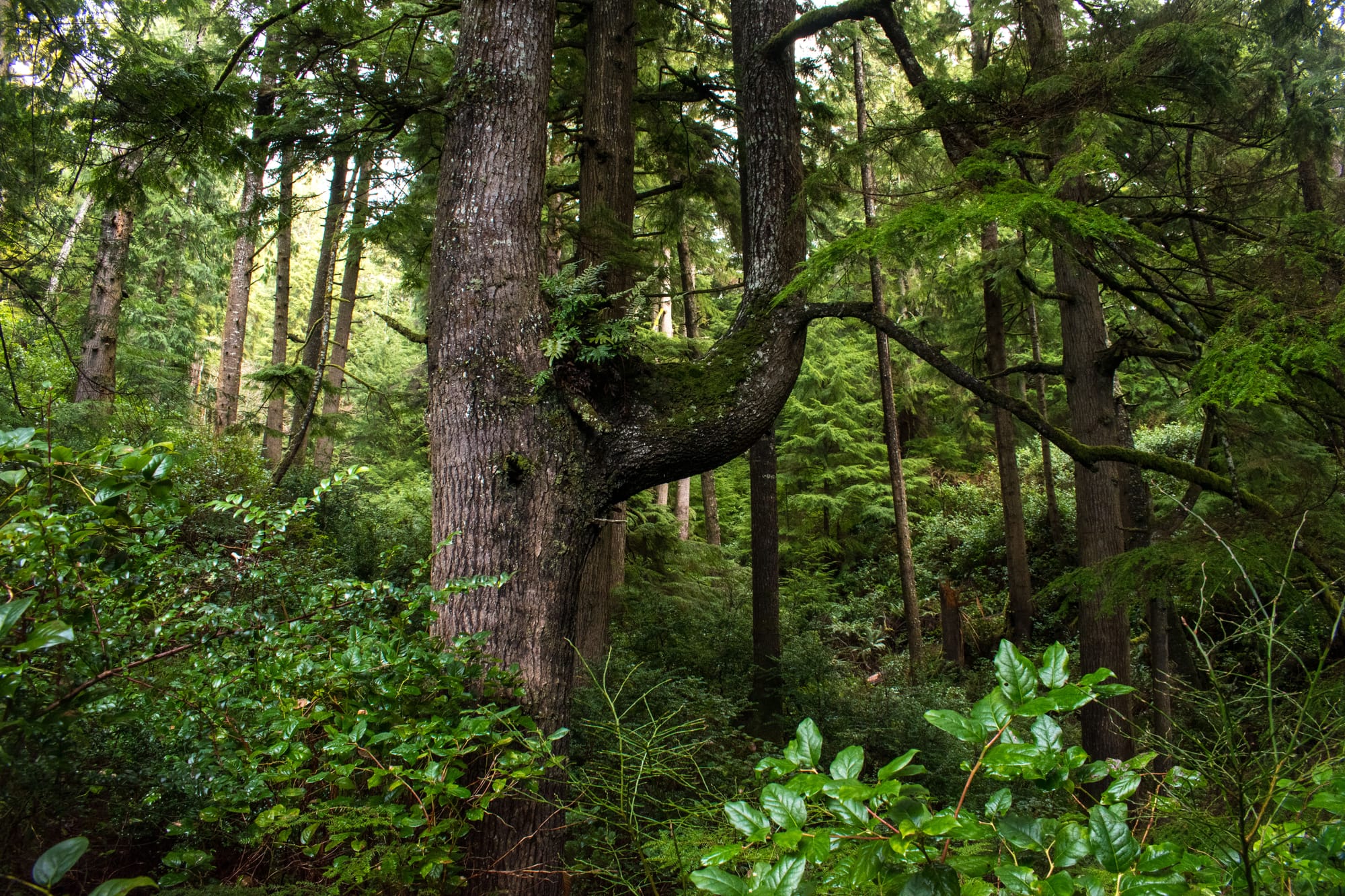
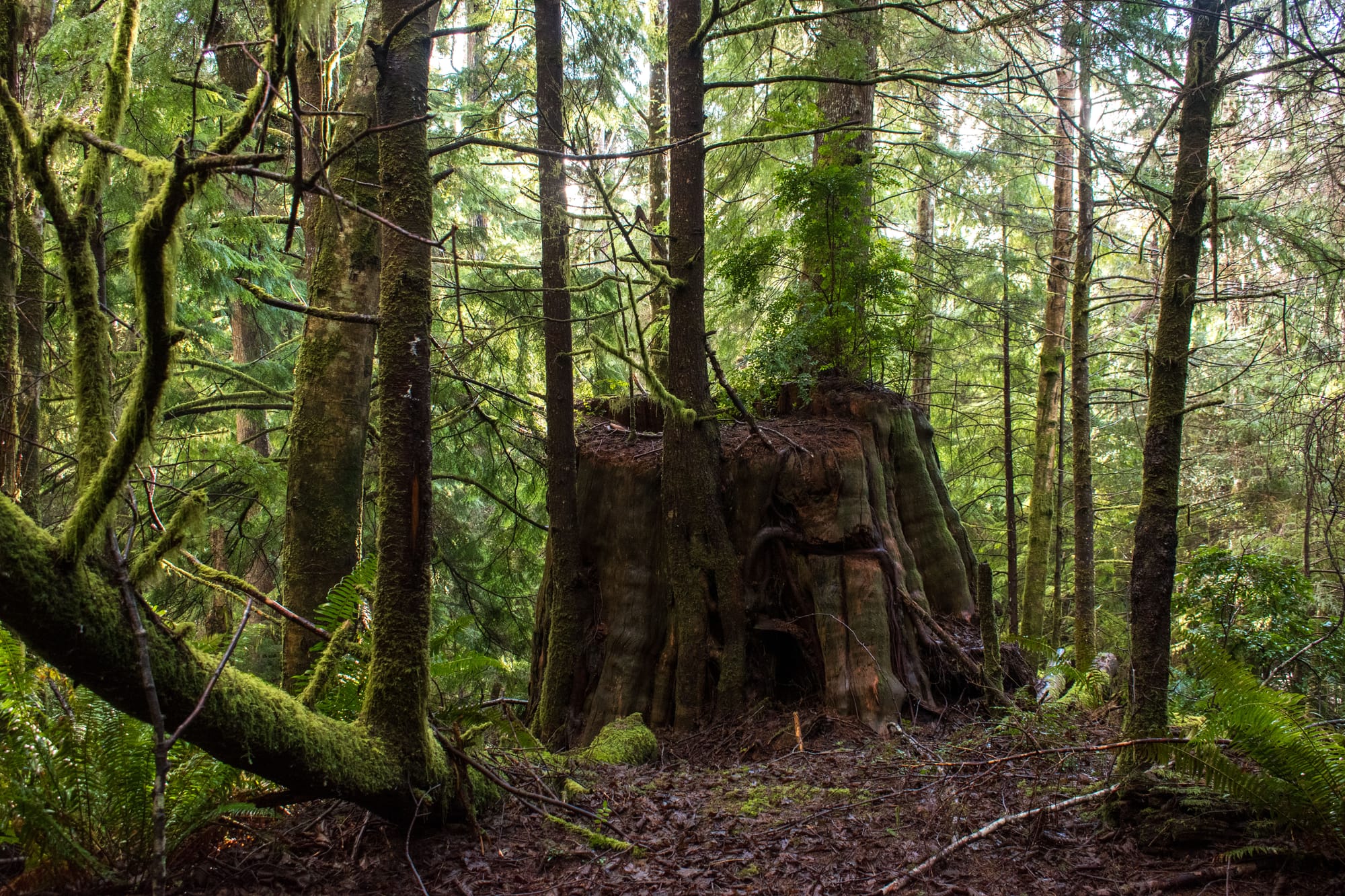
Despite all these fine characters of the forest, it remains somewhat diminished from the full cast that once paraded around, perhaps no more than a century ago. Scattered amongst the giants are also giant stumps; an indicator that this forest was being logged in the early days before clearcutting became the norm.
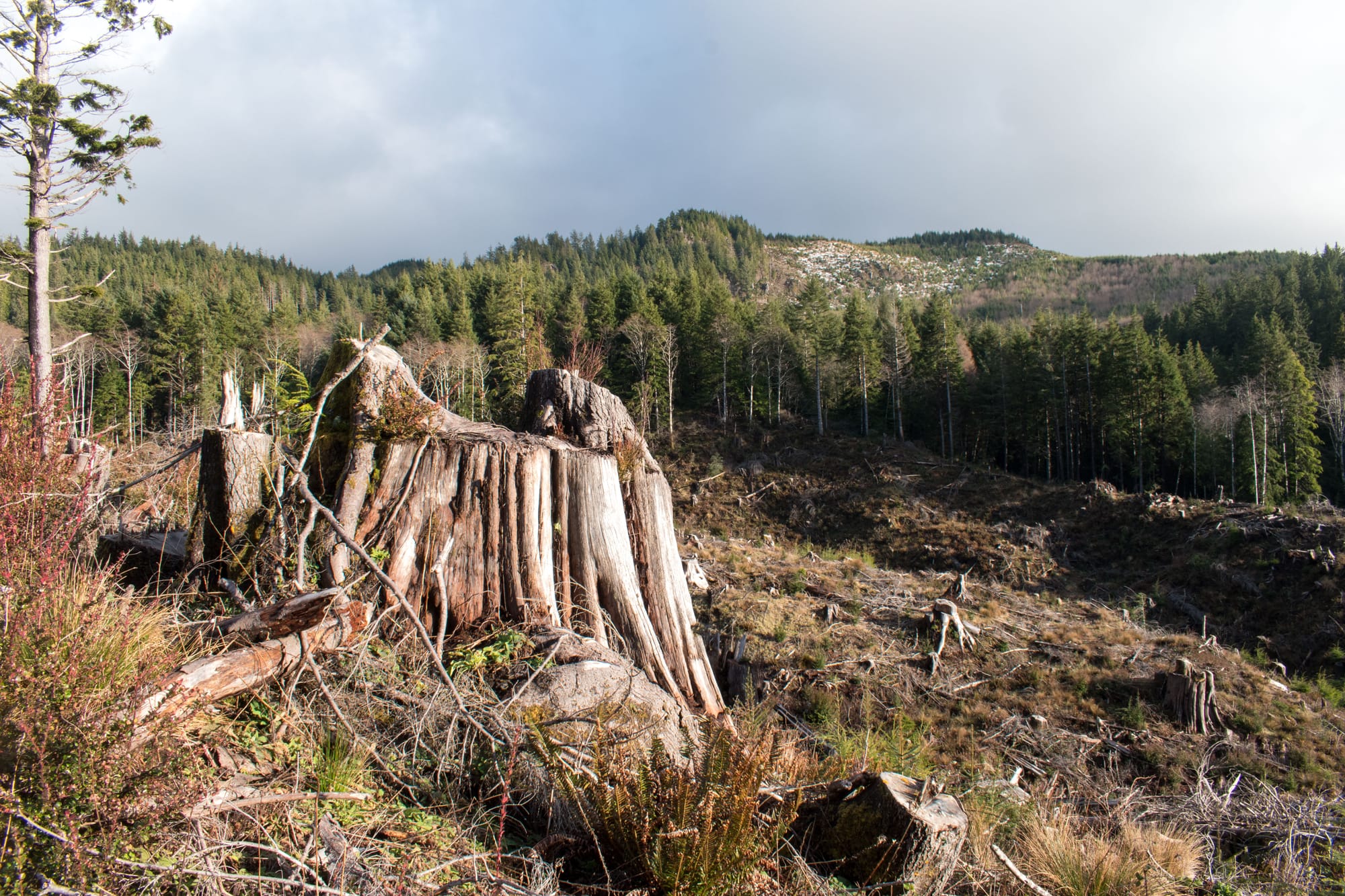
Directly adjacent to this grove, the forest has been logged and will likely be replaced with a plantation style timber farm devoid of most of the characteristics that sustain biodiversity. Destined to be repeatedly harvested before any tree can reach maturity, and littered with stumps of trees that would have easily rivaled the Arcadia Cedar.
I would give a great deal to see the grandness of these forests when they were stewarded exclusively by the indigenous peoples. Before capitalism demanded their destruction in exchange for dangerous low wage jobs and the wealth of a few. I hope for a future where we don't long for the flourishing landscapes of the distant past, but instead feel joy knowing that we're bringing about a world more beautiful and full of life than when we began our own lives.