Happy Healthy Forests Please
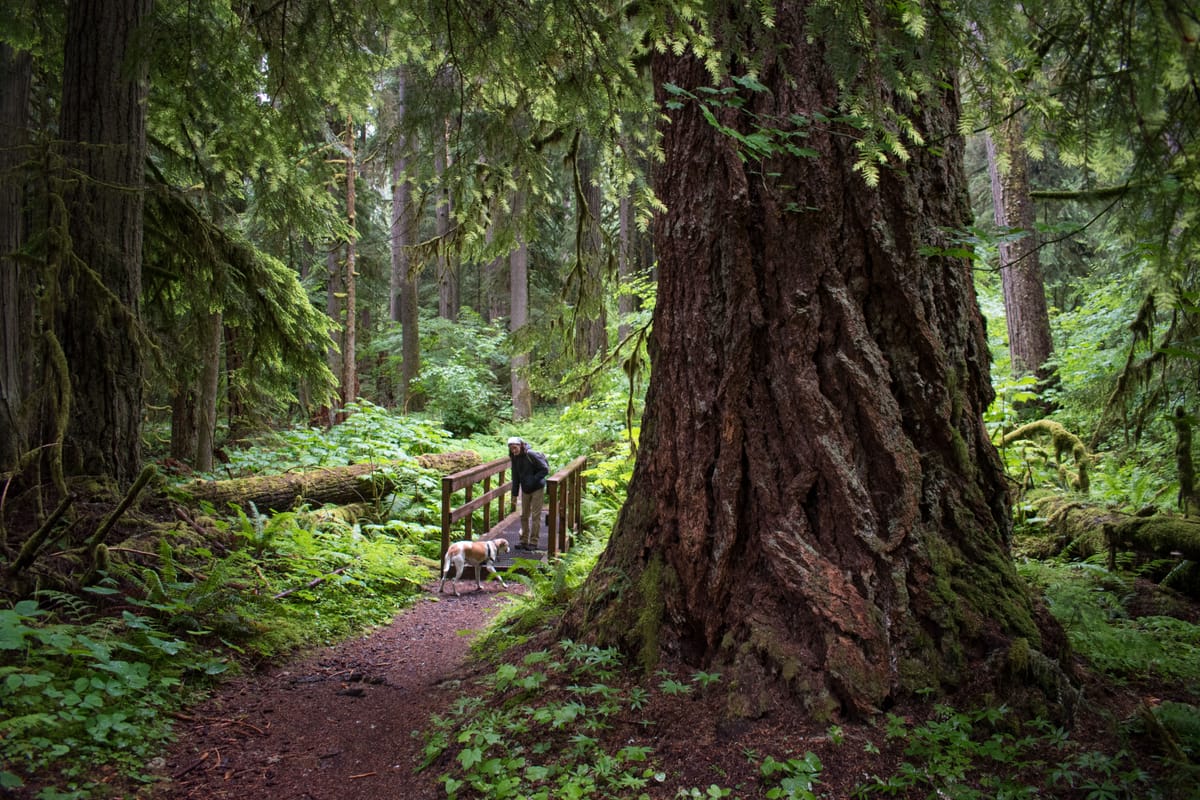
As the drought lingering over the PNW was pierced by a single rainy day a few weekends ago, Catelynn and I took our good friend, Sadie, out to a nearby stretch of old growth forest to tromp around and enjoy the refreshingly saturated air. It's a grim journey to reach it; 40 minutes of suburban sprawl, followed by 20 of clear cuts teeming with Himalayan Blackberry, Scotch Broom, and Foxglove. They are deceptively beautiful this time of year with their vibrant blooms, but they are a symbol of the ecologically irresponsible practices that are threatening large swaths of this land. Despite all this, there remains a small stronghold of biodiversity buffering the highway for a couple miles between town and the relative protection (for now) of the national forest.
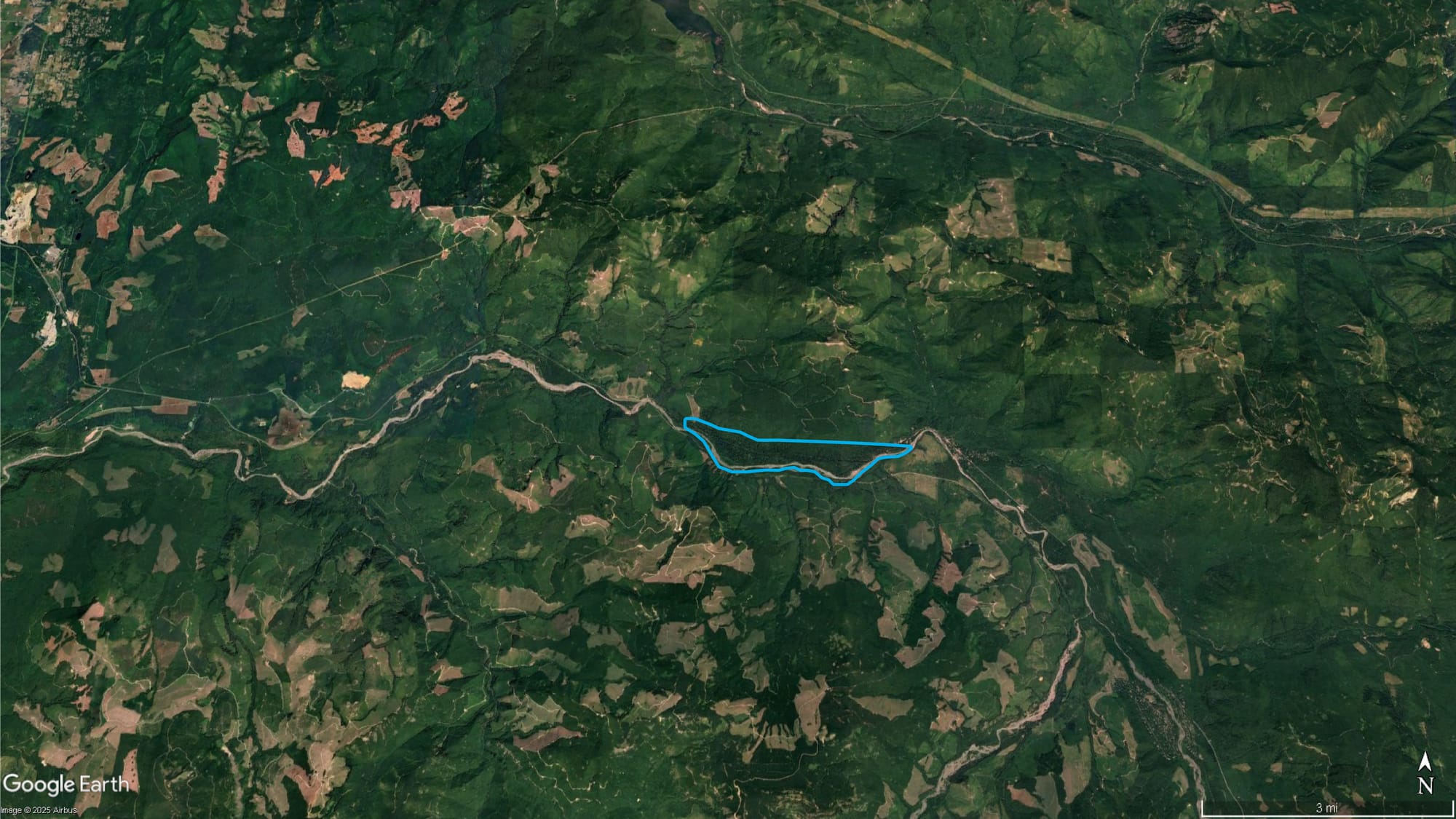
Highlighted in blue: Federation Forest State Park holds one of the last remnants of old growth in this satellite view.
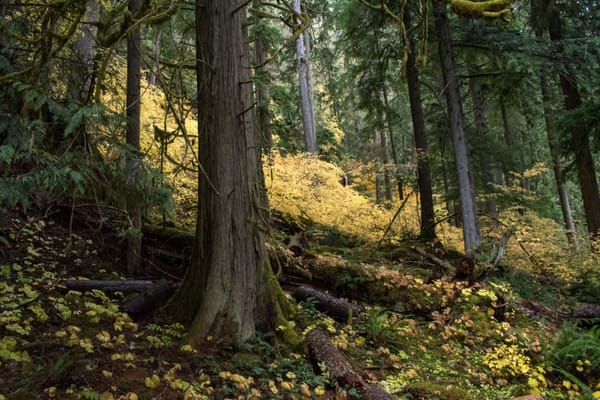
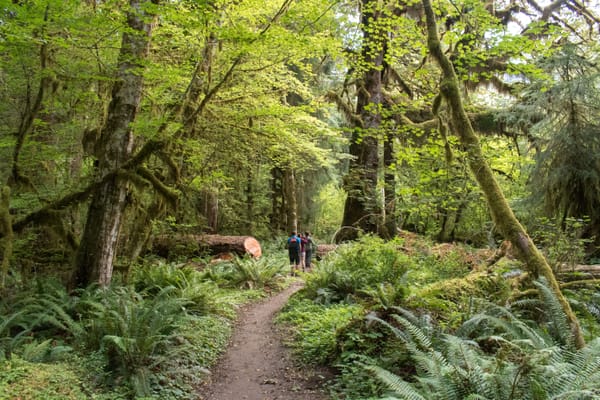
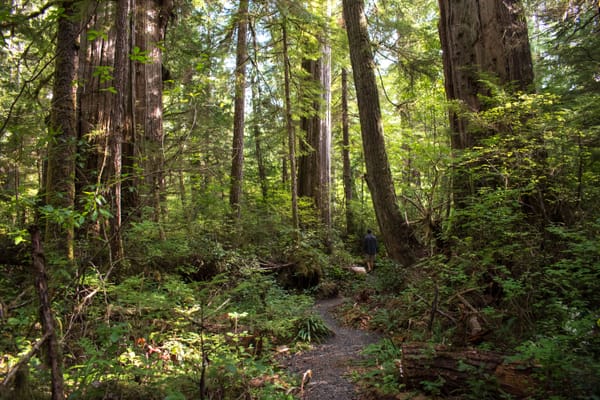
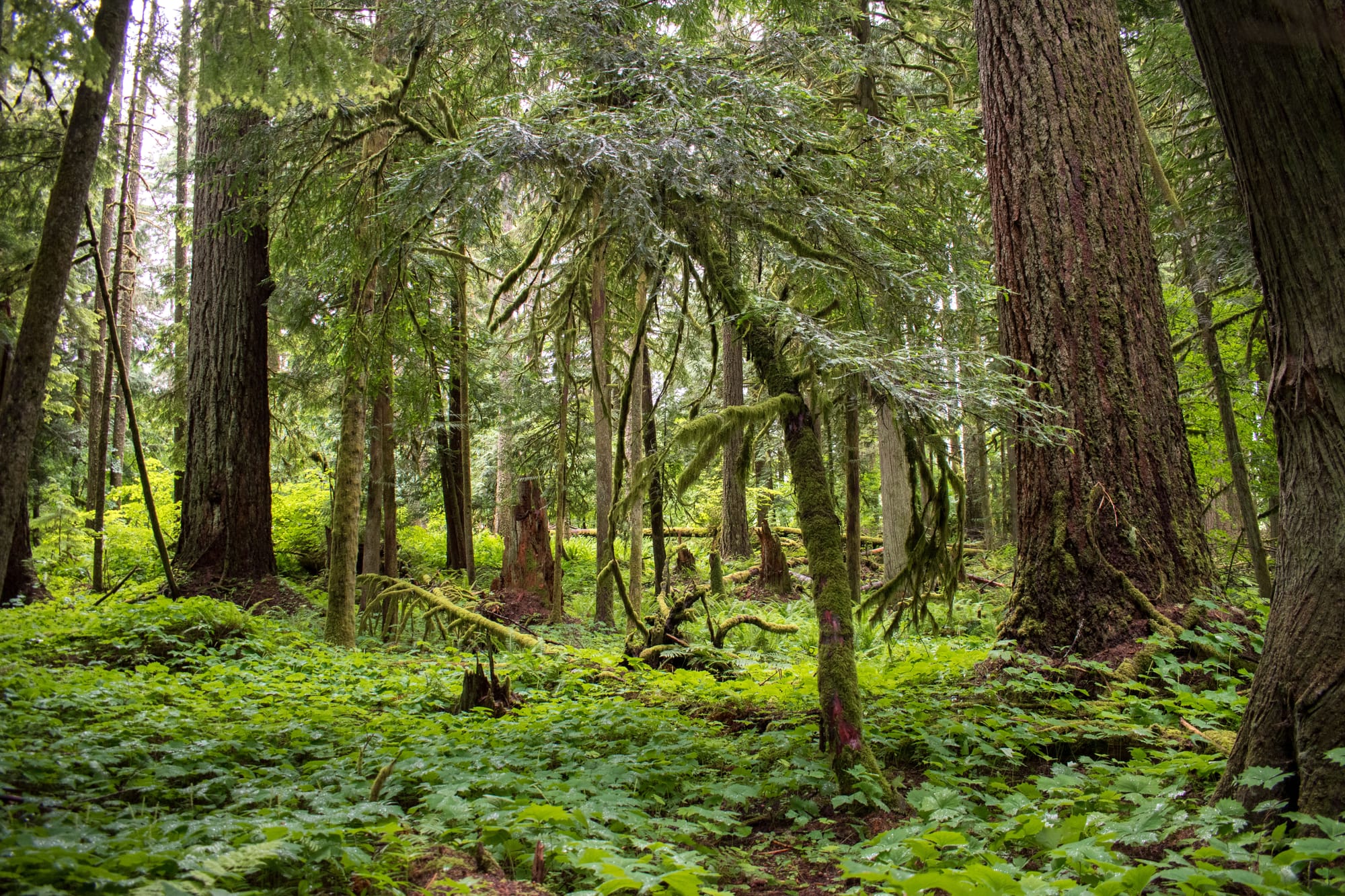
Amidst the destruction that has befallen the surrounding private timberlands, this small place was saved for recreation. And what a place it is. We were largely alone as we walked the trails and soaked in the beauty of life that has evolved for thousands of years to coexist, marveling at all the towering trees and tiny lifeforms that proliferated the forest floor. A lush understory that starkly contrasts with the barren land of the heavily exploited timber plantations. The forest echoed with the call of Swainson's Thrush, and I was lucky to see the brilliant colors of Red-breasted Sapsucker, Western Tanager, and Yellow-rumped Warbler. Although the highway is never far, these woods are just about as serene as it gets! I was shocked that there weren't more folks out enjoying it.
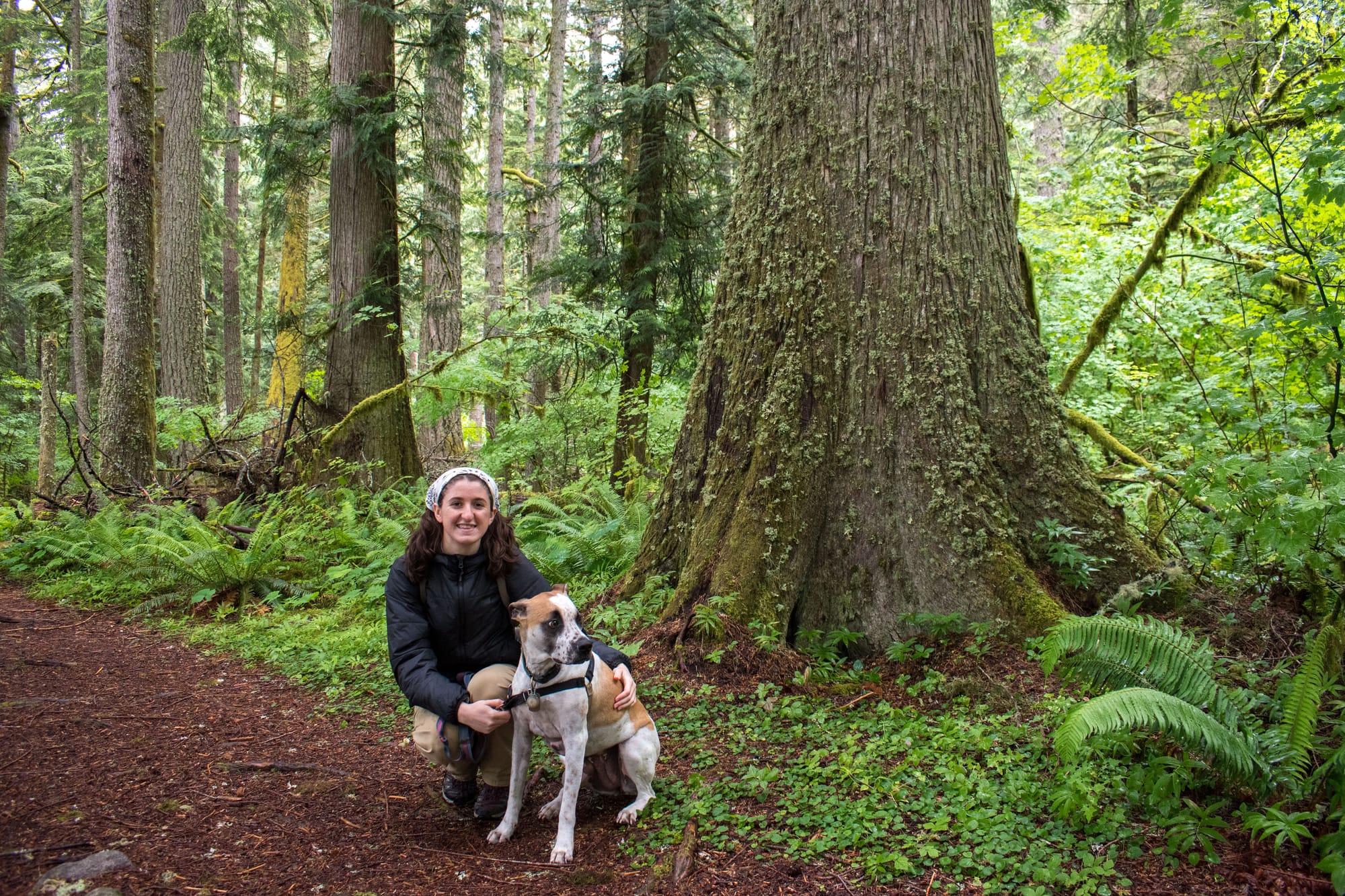
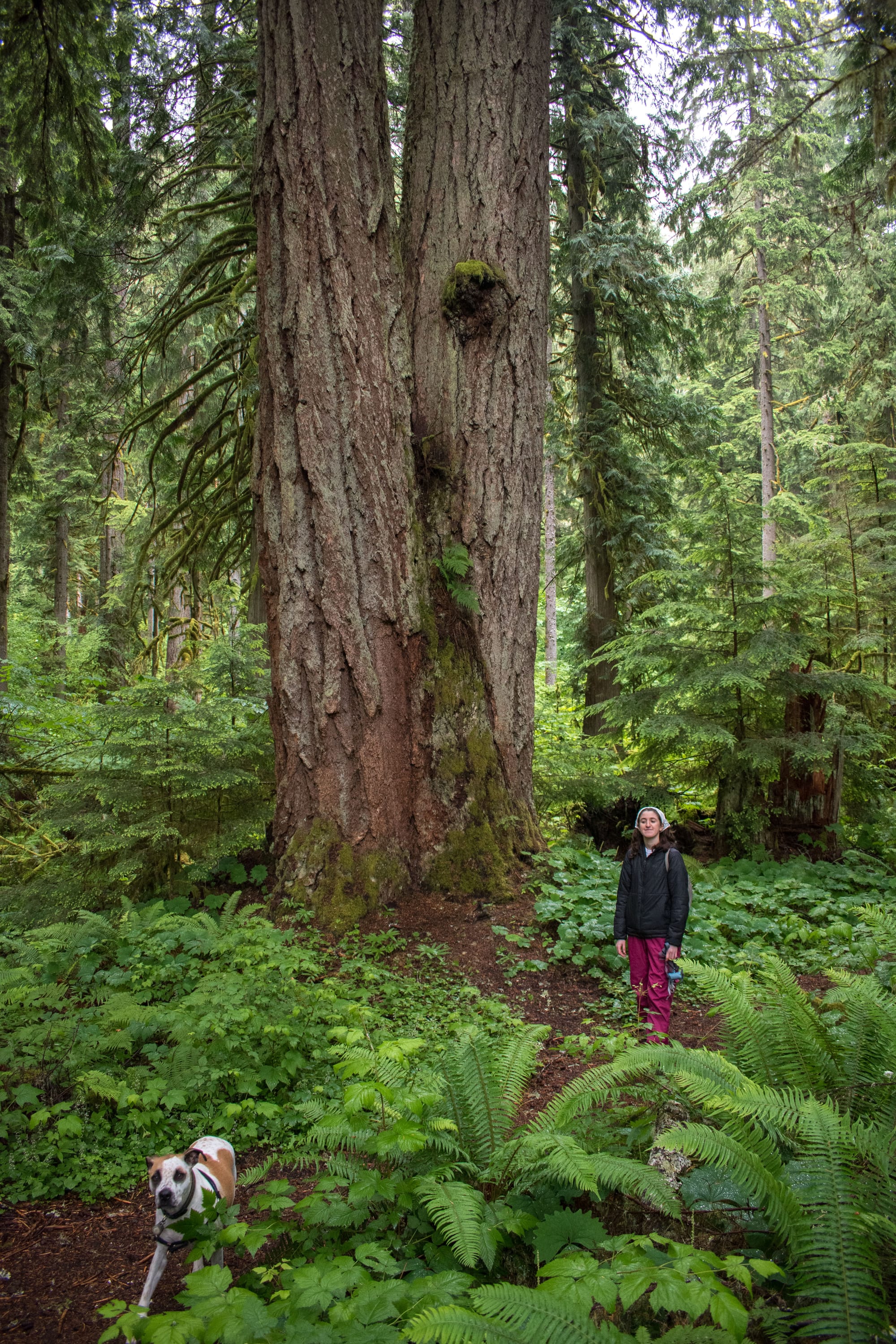
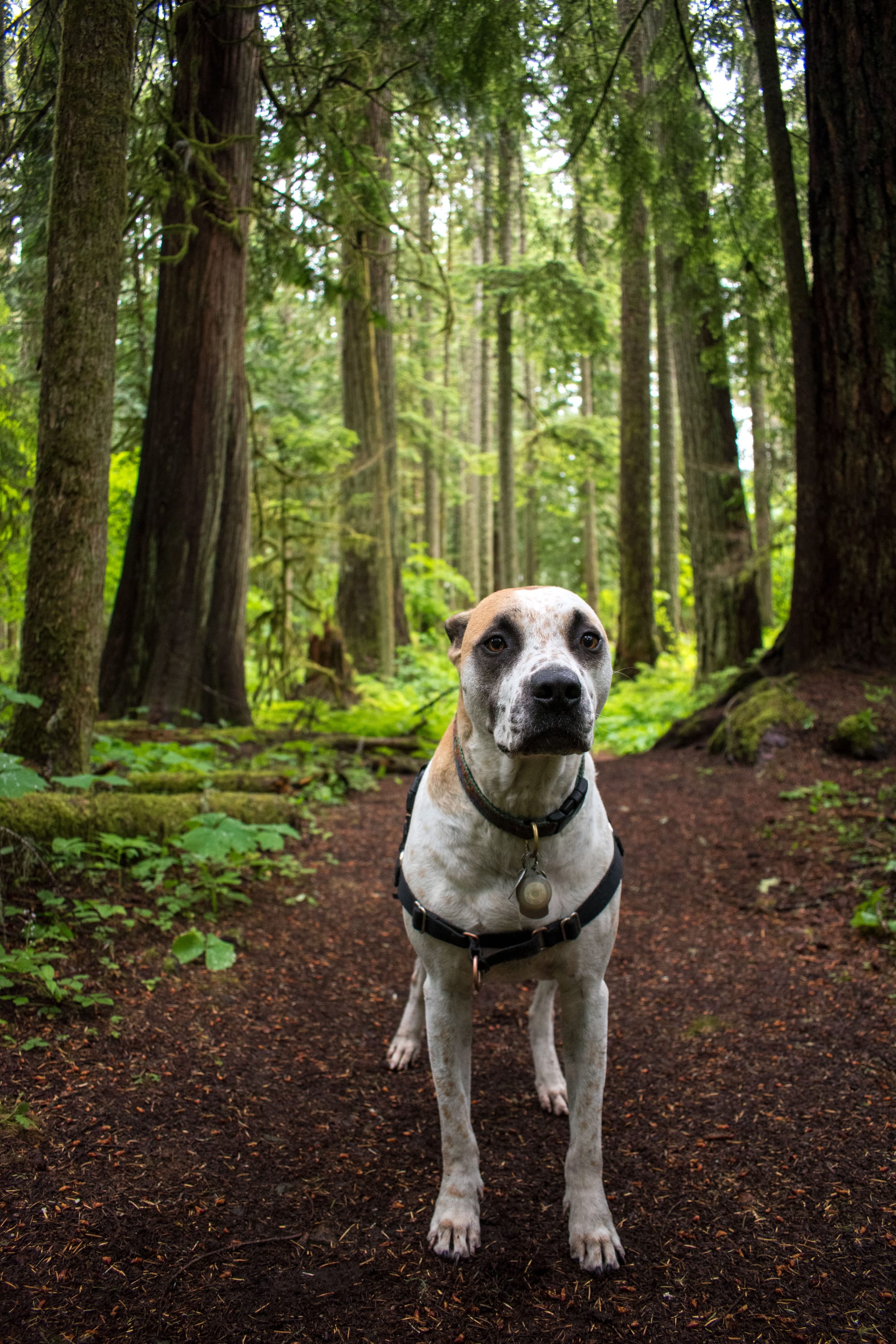
Catelynn and Sadie 🤩
But far outshining the benefit of a brief visit is the year-round benefit it brings to all who call it home. You'd be hard-pressed to find the invasive species that abound in the heavily disturbed forests nearby, and it is a sanctuary for the multitudes of flora and fauna that rely on these ancient and complex ecosystems. These old forests capture carbon with vast efficiency compared to the regularly harvested timber that will likely find its way to the landfill within decades. They sustain summer streamflow significantly better than the thirsty roots of young forests. And the tall canopy works effectively to cool the air and waters that they shade, a far more resilient forest in the face of wildfires than the young Douglas-fir monocultures and slash piles next door. All of this increasingly important in the face of our rapidly changing climate.
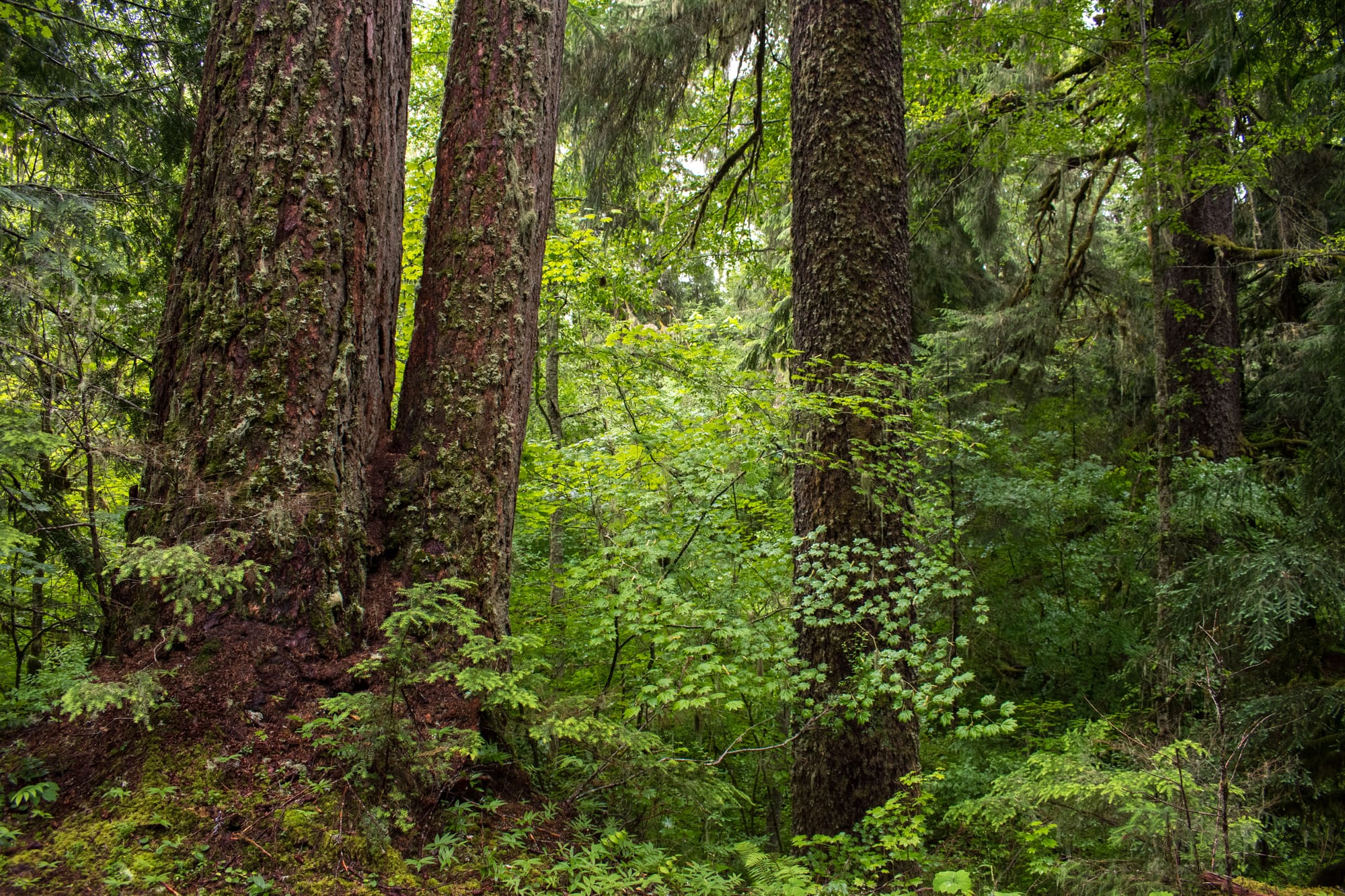
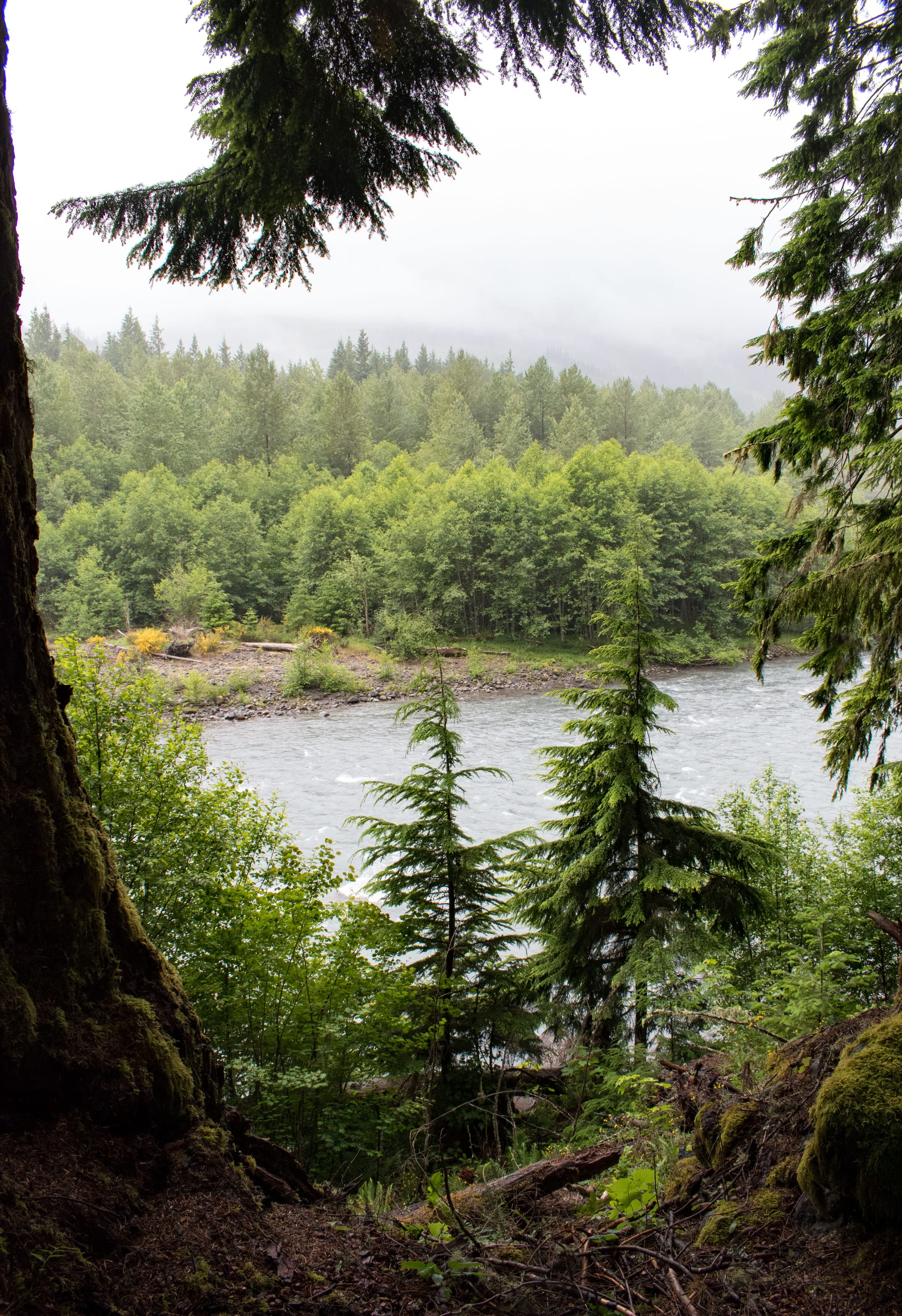
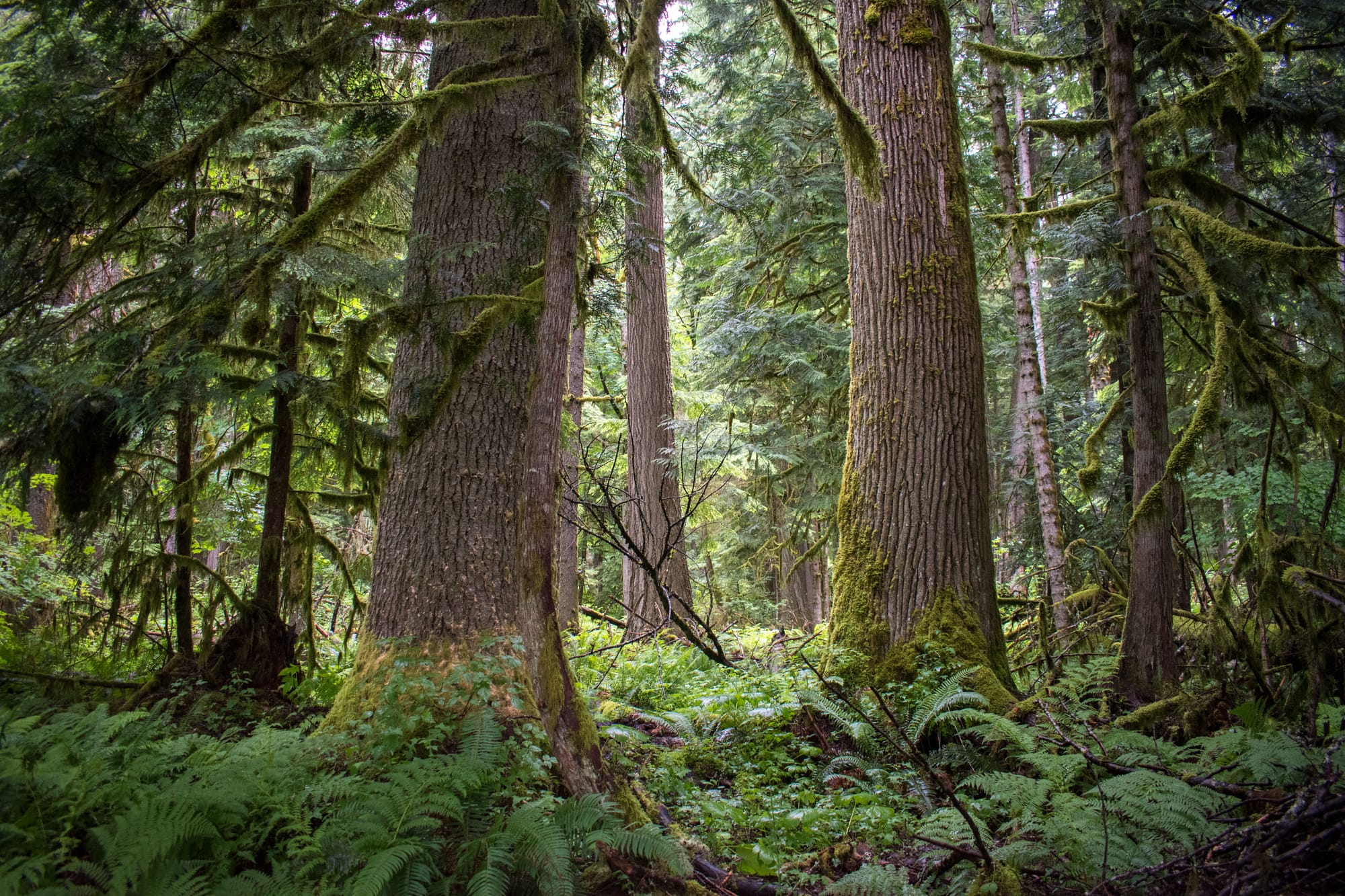
Scenes of the forest.
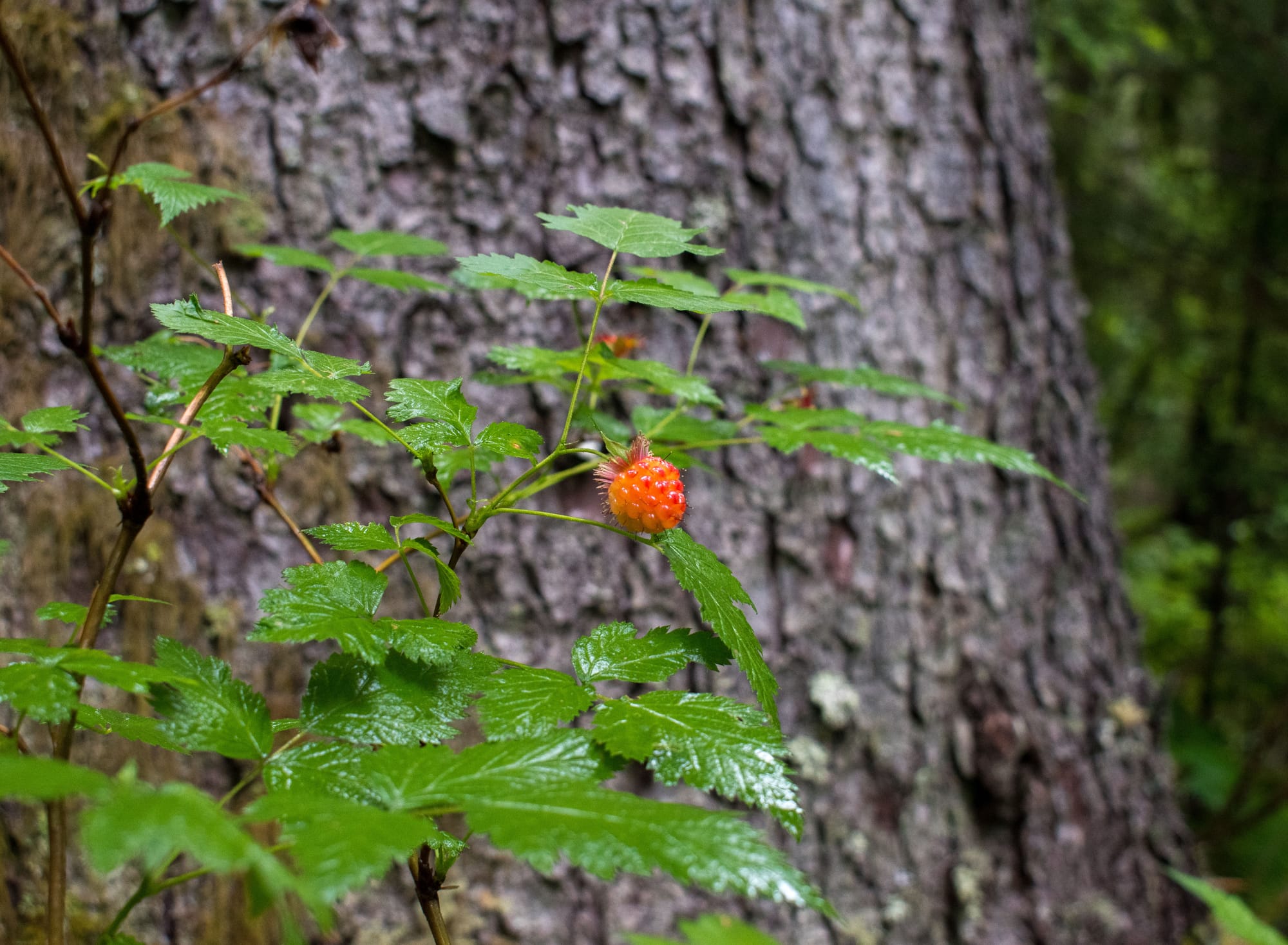
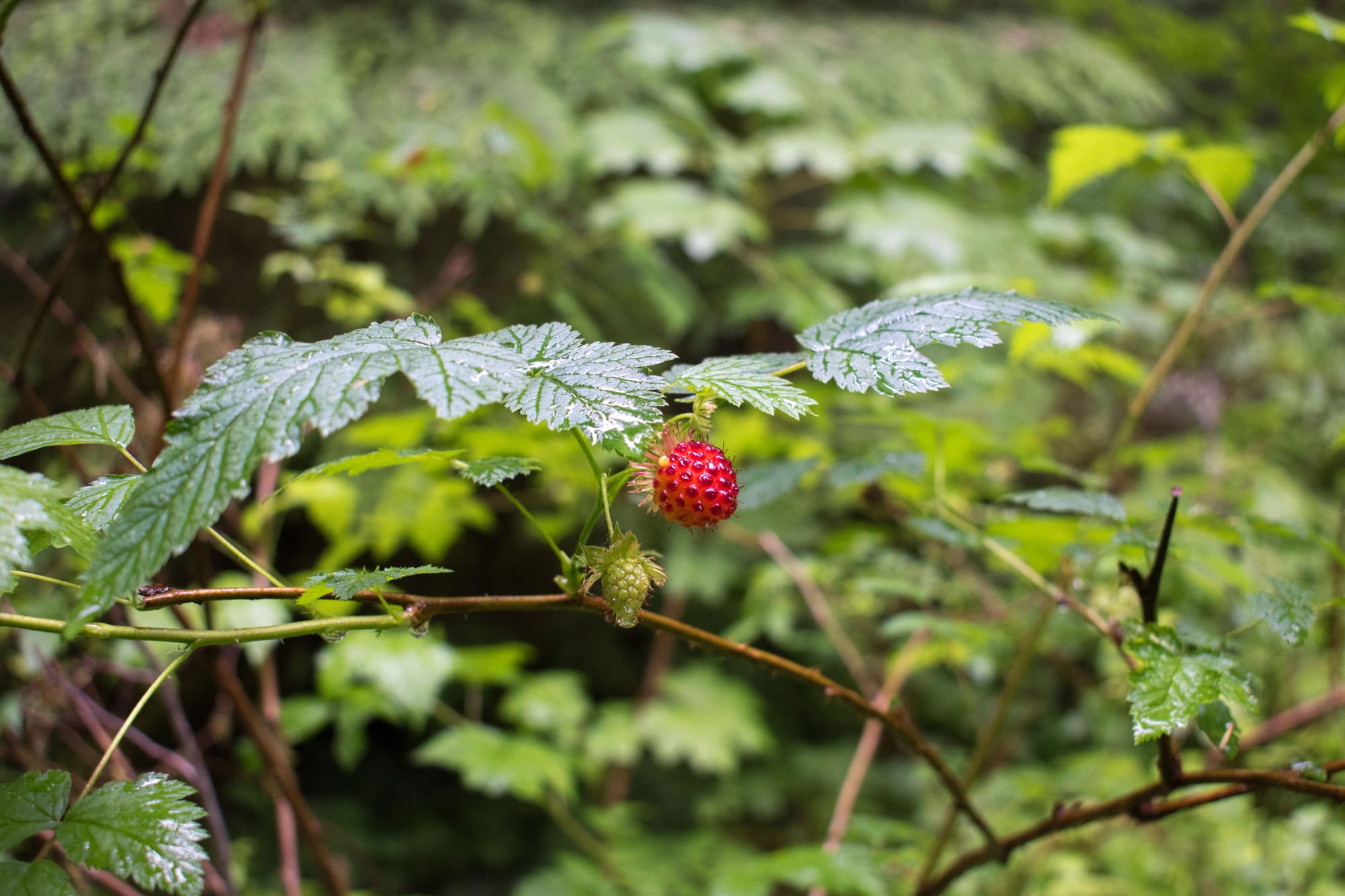
Salmonberries ready for munching on.
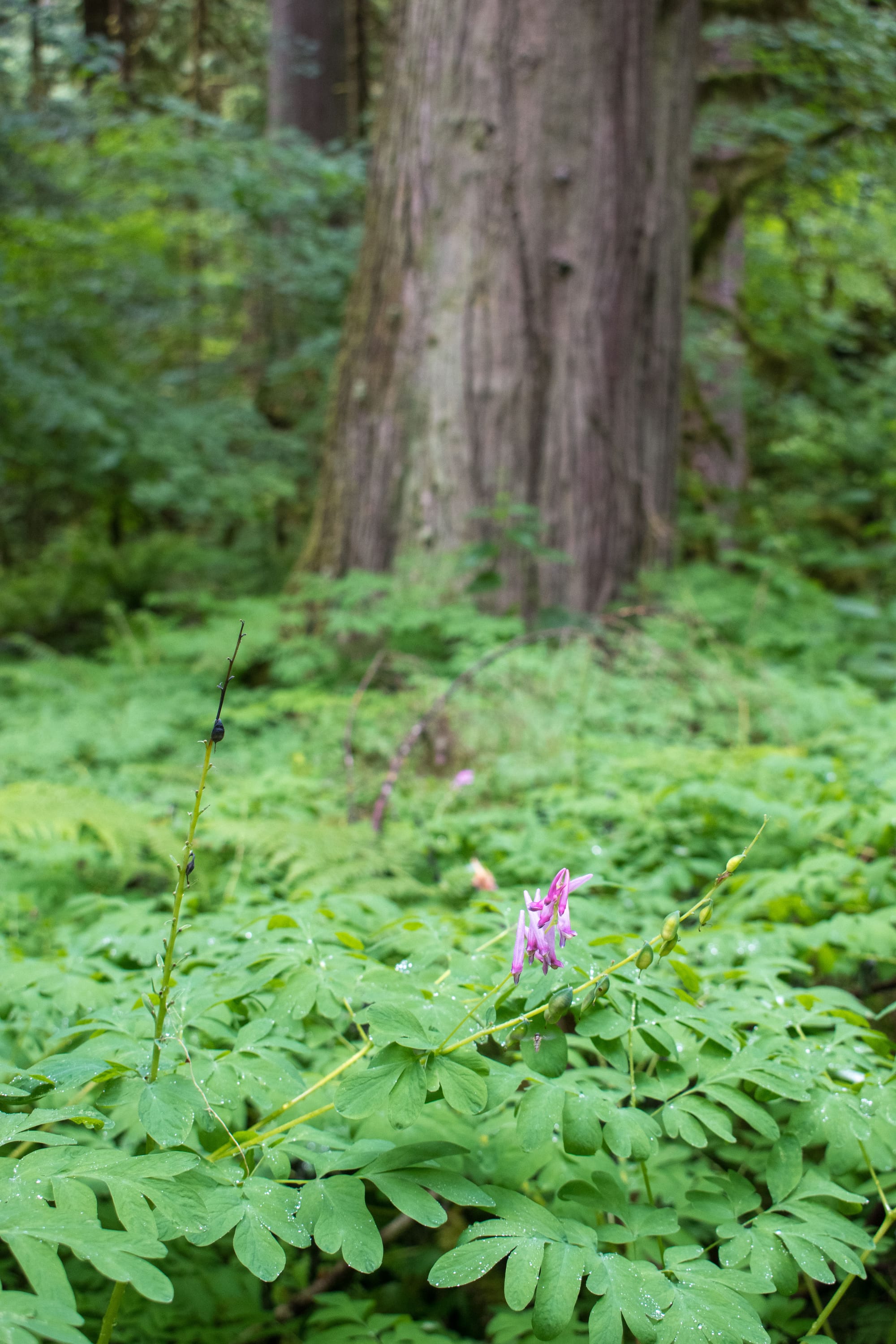
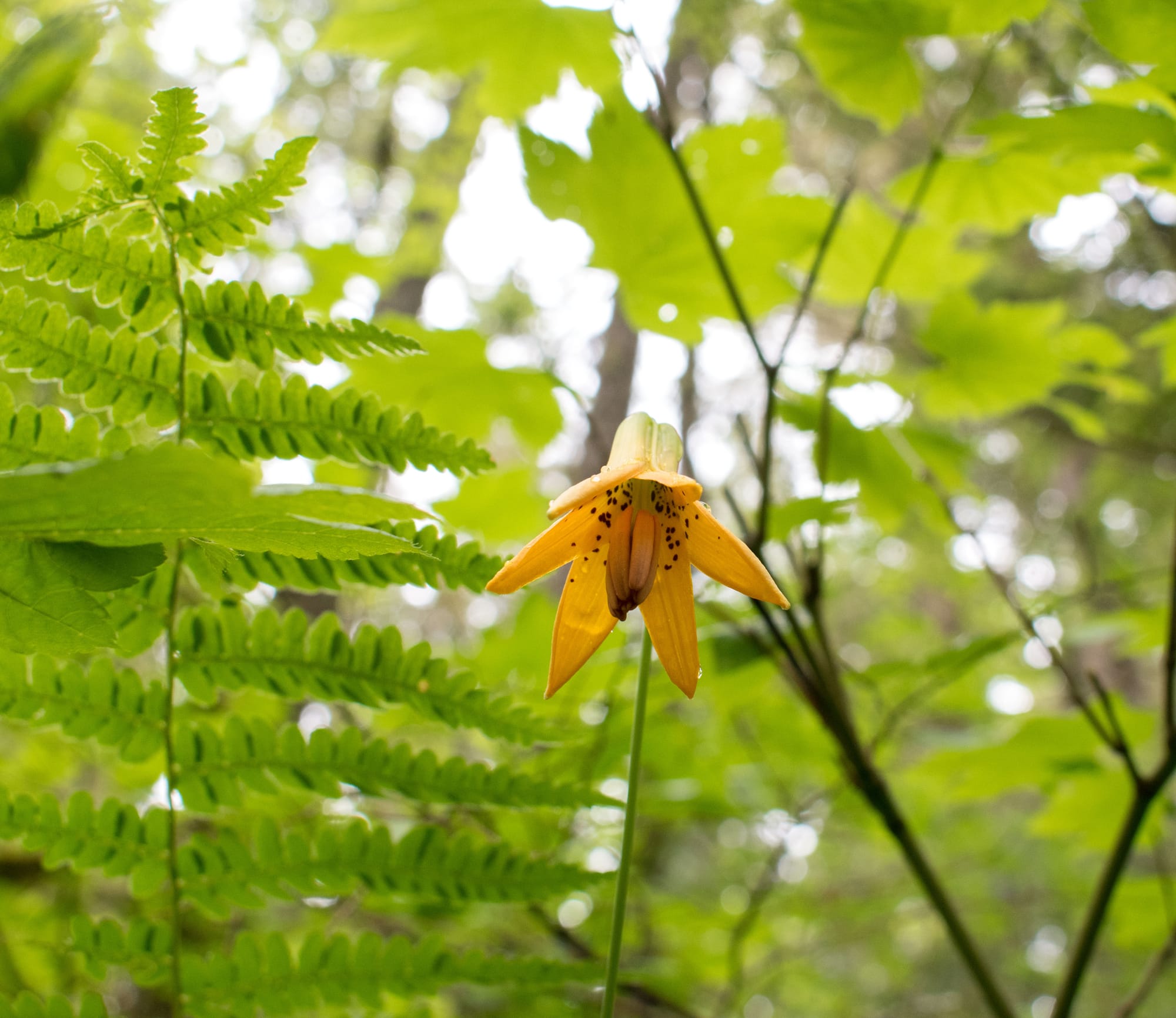
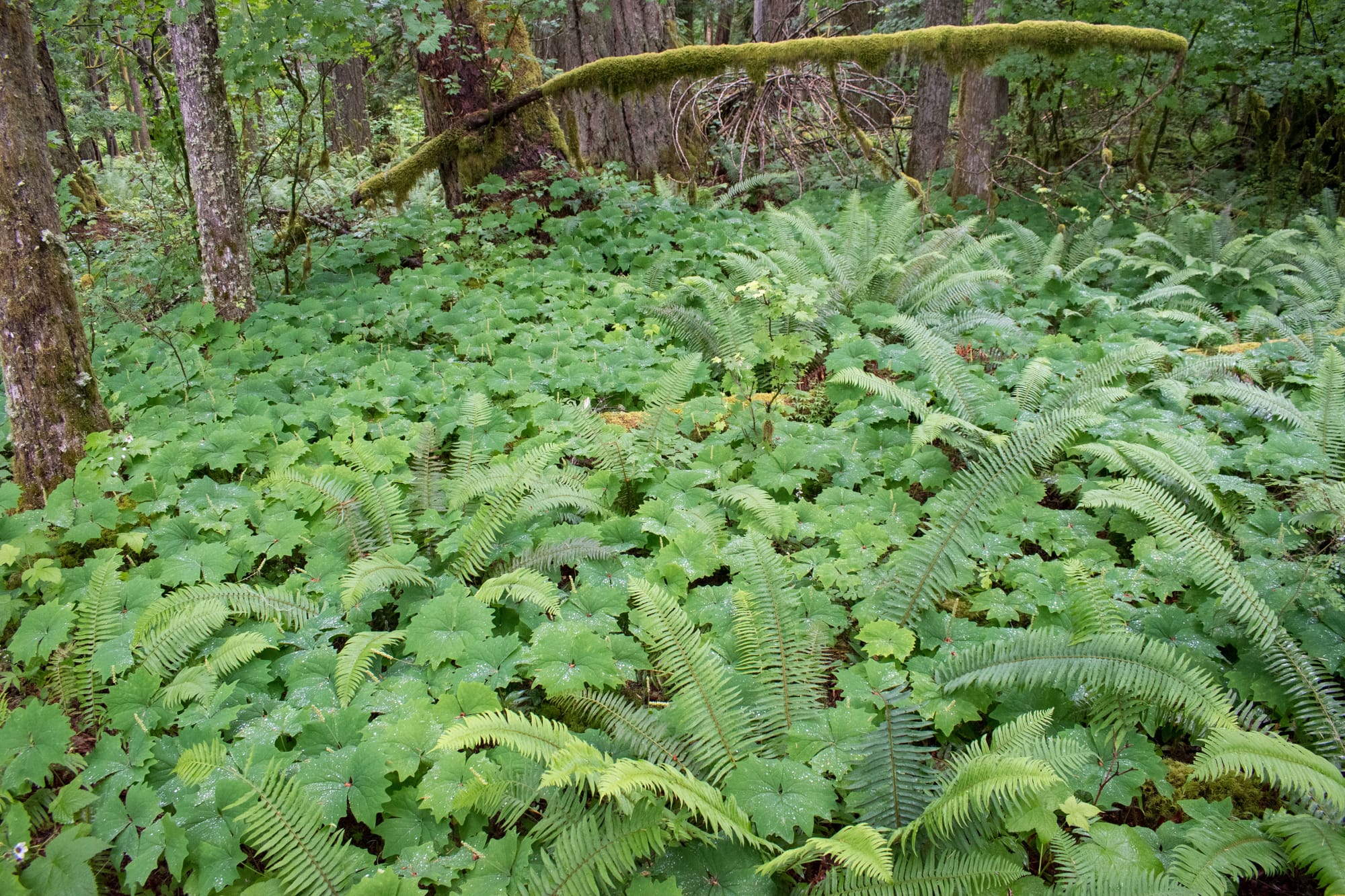
Scouler's Corydalis, Tiger Lily, and acres upon acres of Vanilla Leaf and Sword Fern.
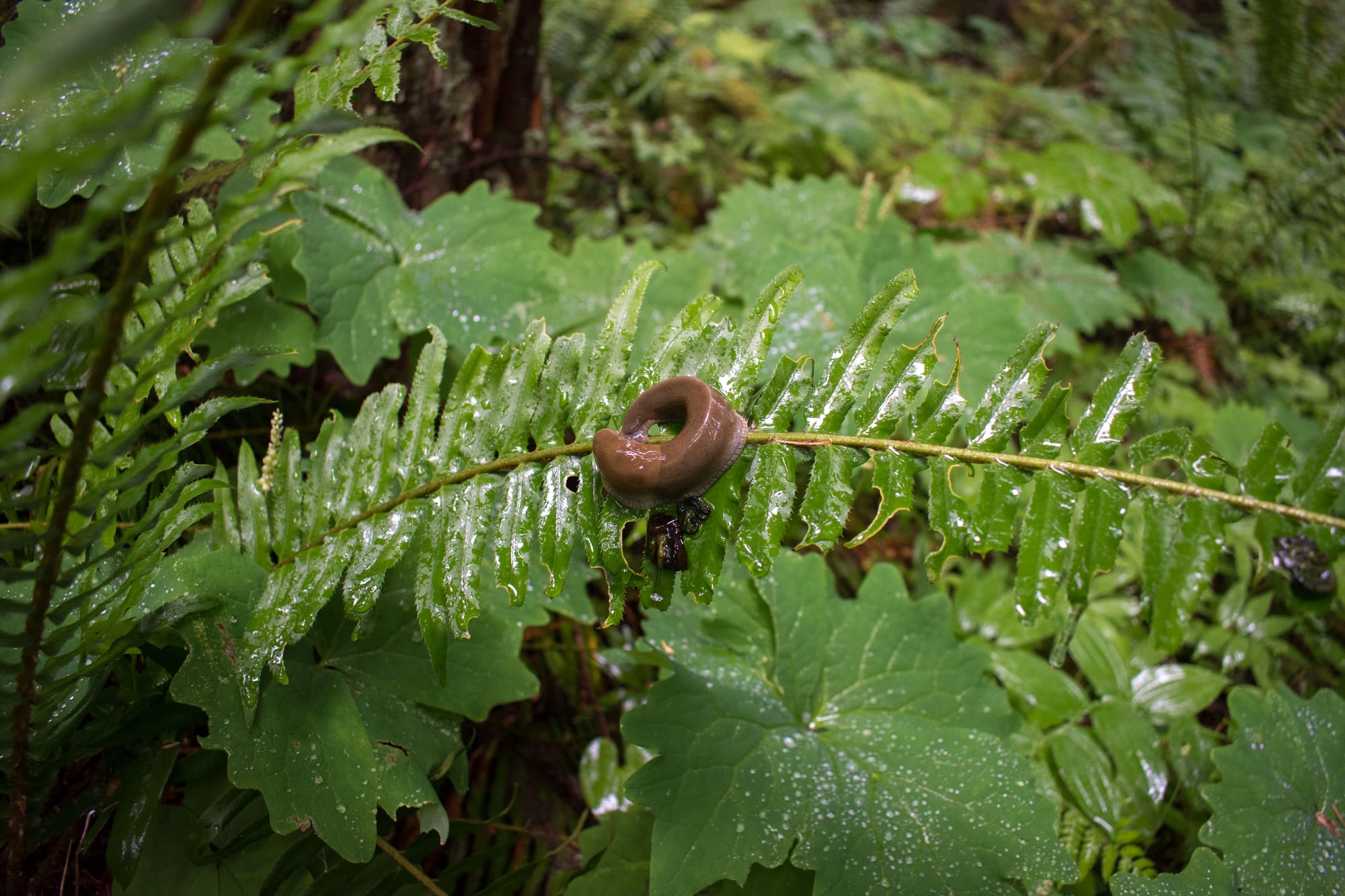
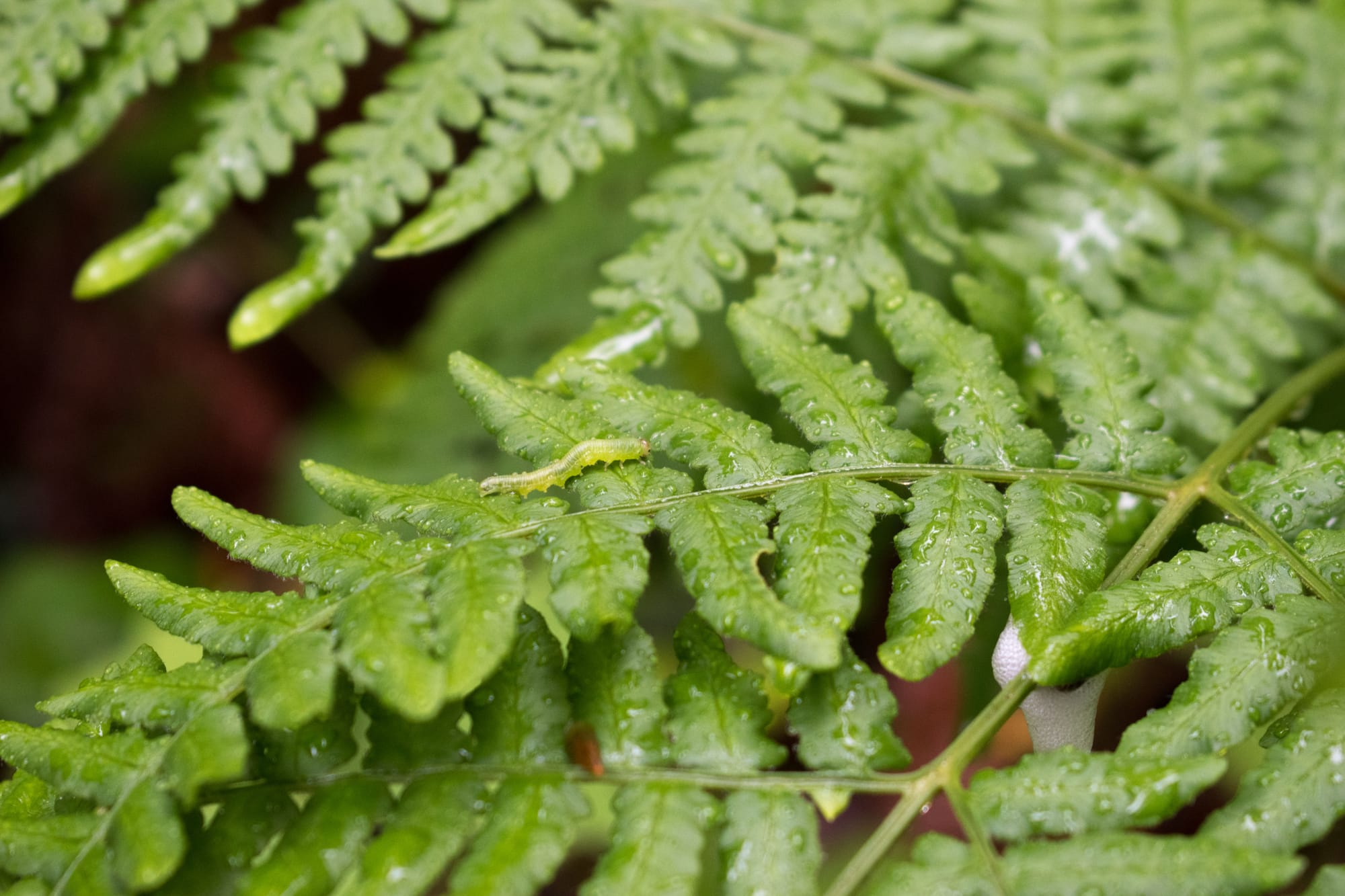
Wildlife!
Sure we need timber, but current harvesting practices favor quick money over long-term sustainability. Instead of local communities deciding how to responsibly steward the forests, large real estate investment trusts own much of the private forestlands West of the Cascades, and they seem to love logging at 40-50 year intervals that maximize shareholder profits rather than the 80 year intervals that would maximize timber output. And where once stood vast ancient forests, now 75% of trees in Western Washington are less than a century old, and 50% are less than 40 years old (as proudly declared by the Washington State Department of Commerce). Not great! Unless you are a shareholder of course. OPB published an extensive article about how this plays out in Oregon too.
Luckily, people are proving that there are other ways of doing things. Although British Columbia is notorious for continuing to log their old growth, it is also home to some of the leading examples of stewardship that prioritizes ecological value alongside timber. Simply look to how the Tla-o-qui-aht people have succeeded in protecting their land through protest and tribal parks, or the alternate forestry model being practiced in the Wildwood ecoforest since 1945. There is hope! Just need to boot out those greedy real estate investment folks first.